



Patients with chronic obstructive pulmonary disease (COPD) undergoing coronary artery bypass grafting (CABG) face significant perioperative risks. The choice between off-pump and on-pump CABG techniques can impact clinical outcomes, particularly related to pulmonary function and postoperative recovery. This meta-analysis aims to evaluate the clinical efficacy and safety of off-pump versus on-pump CABG in patients with COPD.
MethodsA comprehensive search of medical databases including PubMed and Google Scholar was conducted to identify relevant studies comparing off-pump and on-pump CABG in COPD patients. The main outcomes included postoperative respiratory complications, mortality rates, length of hospital stay, and overall recovery. Results were pooled as relative risks (RR) or mean differences (MD) with 95% confidence intervals (CI).
ResultsA total of seven studies (two randomized controlled trials (RCTs), one sub-study from a previous RCT, and four observational studies) comprising 1071 patients were included in the analysis. While postoperative respiratory complications were lower in the off-pump group, the difference was not statistically significant. However, off-pump CABG was significantly associated with reduced mortality (RR 0.21; 95% CI: [0.08, 0.54], p=0.001), shorter hospital stays (MD=−2.34; 95% CI: [−4.51, −0.17], p=0.03), reduced need for mechanical ventilatory support (MD=−4.73; 95% CI: [−6.17, −3.29], p<0.00001), and lower incidence of low cardiac output (RR=0.43, 95% CI [0.19, 0.99], p=0.05).
ConclusionOff-pump CABG provides significant benefits over on-pump CABG in COPD patients by reducing mortality, hospital stay duration, the need for mechanical ventilatory support, and low cardiac output. The observed reduction in postoperative respiratory complications, although not statistically significant, may indicate potential clinical benefits of off-pump CABG. Further large-scale RCTs are needed to confirm these findings.
Os doentes com doença pulmonar obstrutiva crónica (DPOC) submetidos a cirurgia de revascularização miocárdica (CRM) enfrentam riscos perioperatórios significativos. A escolha entre as técnicas de revascularização do miocárdio com ou sem uso de circulação extracorpórea (CEC) pode ter impacto nos resultados clínicos, particularmente relacionados à função pulmonar e à recuperação pós-operatória. Esta meta-análise tem como objetivo avaliar a eficácia clínica e a segurança da CRM sem CEC versus com CEC em doentes com DPOC.
MétodosFoi realizada uma pesquisa abrangente em bases de dados médicas, incluindo PubMed e Google Scholar, para identificar estudos relevantes que comparassem cirurgia de revascularização miocárdica com e sem circulação extracorpórea em doentes com DPOC. Os principais resultados incluíram complicações respiratórias, taxas de mortalidade, tempo de internamento hospitalar e recuperação global. Os resultados foram agrupados como riscos relativos (RR) ou diferenças médias (MD) com intervalos de confiança (IC) de 95%.
ResultadosUm total de 7 estudos (2 ensaios clínicos randomizados (ECR), 1 subestudo de um ECR prévio, 4 estudos observacionais), compreendendo 1071 pacientes, foram incluídos. Embora as complicações respiratórias tenham sido menores no grupo sem CEC, a diferença não foi estatisticamente significativa. No entanto, a cirurgia de revascularização miocárdica sem circulação extracorpórea foi significativamente associada à redução da mortalidade (RR 0,21; IC 95%: [0,08 - 0,54], P=0,001), menor tempo de internamento hospitalar (MD=−2,34; IC 95%: [−4,51, −0,17], P=0.03), menor necessidade de ventilação mecânica (MD=−4,73; IC 95%: [−6,17, −3,29], P<0,00001), e menor incidência baixo débito cardíaco (RR=0,43, IC 95% [0,19 - 0,99], P=0,05).
ConclusãoA cirurgia de revascularização miocárdica sem circulação extracorpórea (CEC) oferece benefícios significativos em relação à cirurgia com CEC em pacientes com DPOC, reduzindo a mortalidade, o tempo de internamento hospitalar, a necessidade de suporte ventilatório mecânico e o baixo débito cardíaco. A redução observada nas complicações respiratórias, embora não estatisticamente significativa, pode indicar potenciais benefícios clínicos da CRM sem CEC. Novos ECR em larga escala são necessários para confirmar esses achados.
Coronary artery disease (CAD) is a condition that happens when atherosclerotic plaques accumulate in the coronary arteries, thus decreasing the blood flow to the heart. This results in symptoms like chest pain, shortness of breath, fatigue, and can even cause heart attacks.1 It frequently appears simultaneously with the development of chronic obstructive pulmonary disease (COPD), a progressive lung disease characterized by chronic inflammation and damage to the lungs and causing severe airway obstruction.2 COPD patients suffer from chronic cough, mucus overproduction, shortness of breath, wheezing, and chest tightness.3 The two conditions gradually become worse and can greatly affect daily life.
The relationship between coronary artery disease and chronic obstructive pulmonary disease is interconnected due to shared risk factors such as smoking, aging, and systemic inflammation, which contribute to their development and progression.4,5 Both diseases share similar pathophysiological mechanisms including oxidative stress, systemic inflammation, and hypoxia, which exacerbate each other's progression.6 Also, people suffering from COPD are at higher risk of developing heart disease than non-COPD patients.7
CAD is generally managed by lifestyle modifications, pharmacological therapies, and surgical procedures, which are determined based on the severity of the condition.1 Primary management generally involves heart-healthy diet, regular physical activity, and quitting smoking. Together with appropriate medications such as antiplatelet drugs, beta-blockers, ACE inhibitors or ARBs, calcium channel blockers, and nitrates which are effective in symptom management and risk reduction.8 In complex situations, invasive procedures such as percutaneous coronary intervention (PCI) or coronary artery bypass grafting (CABG) are considered.9
PCI entails the use of balloon angioplasty and stent implantation to dilate constricted arteries,10 whereas CABG involves the utilization of grafts sourced from other anatomical regions to create detours around obstructed segments.11 The selection between PCI and CABG is determined by criteria such as the degree and position of blockage, overall cardiac function, and the health of the patient.12 On the other hand, the potential morbidity and higher perioperative risk associated with CABG may increase the likelihood of complications, such as pneumonia and exacerbations of COPD.13 Moreover, the debate of whether off-pump CABG is better than the on-pump approach is one of the most hotly debated issues in cardiac surgery.14,15 On-pump CABG makes use of cardiopulmonary bypass, a well-established revascularization method.16 It is considered to offer the most effective protection against myocardial injury, provide clear coronary vessel visualization, and is practical during complex surgical operations.17 However, it is associated with systemic inflammatory reactions, increased postoperative bleeding risks, and possible severe neurocognitive deficits.18 In contrast, off-pump CABG does not use cardiopulmonary bypass machine, which presents its own set of challenges and benefits.19 This approach may reduce stroke and renal dysfunction incidence,17,20 which is advantageous in patients with multiple comorbidities. However, off-pump CABG is associated with a higher risk of incomplete revascularization compared to the on-pump CABG.21 Due to the specific pulmonary factors including lung function impairment and the increased risk of respiratory complications in COPD patients, high evidence is needed to determine which technique is optimal for them.22,23 The current systematic review and meta-analysis aimed to evaluate the clinical efficacy and safety of off-pump versus on-pump CABG in patients with COPD, with a focus on immediate postoperative lung function outcomes and complications.
MethodsThis systematic review and meta-analysis was performed according to the guidelines of the Preferred Reporting Items for Systematic Reviews and Meta-analysis (PRISMA) 2020 statement.24
Eligibility criteriaTo be included in this study, articles should meet the following inclusion criteria: (1) involving patients diagnosed with COPD (diagnosed with the GOLD criteria)25 and undergoing CABG, (2) study design was randomized controlled trials (RCTs) or observational studies that provided relevant data comparing on-pump and off-pump CABG usage. Meanwhile, case reports, case series, letters to the editors, book chapters, reviews, and animal-based studies were excluded. Additionally, single-armed studies and non-English studies were also excluded to maintain consistency and quality in our analysis. There was no time restriction placed to determine study inclusion.
Data sources and searchesPubMed and Google Scholar were searched for relevant studies from inception till January 2024. A combination of the following keywords were utilized to undertake literature search process: (Coronary Artery Bypass, Off Pump) OR (Coronary Artery Bypass, Beating Heart) OR (Off-Pump Coronary Artery Bypass) AND (Coronary Artery Bypass, On-Pump) OR (Coronary Artery Bypass, On Pump) OR (Cardiopulmonary Bypass grafting) AND (Chronic Obstructive Pulmonary Diseases) OR (Chronic Obstructive Lung Disease) OR (COPD) OR (COAD) OR (Chronic Obstructive Airway Disease).
Study selectionObtained studies were inserted to Google Sheets to combine all the references retrieved from the databases and remove duplicates. The screening process was done in two phases, the first one is title and abstract screening, and the second one is full-text screening. Two independent authors did each phase, and any disagreements were settled by a third senior author.
Data extractionTwo authors independently extracted the following data about each included study: number of participants, gender, mean age in years, number of patients with smoking history, diabetes, peripheral artery disease, kidney failure, hyperlipidemia, and hypertension. Furthermore, the inclusion and exclusion criteria of individual studies, and all relevant outcomes were also extracted including: hospital stay time in days, need for mechanical ventilatory support in hours, intensive care unit (ICU) stay time in days, mortality, reintubation risk, risk of atrial fibrillation, re-exploration rate, pneumonia, pleural effusion, atelectasis, acute respiratory distress syndrome (ARDS), stroke, renal failure, and low cardiac output (LCOP) occurence. Any disagreements were resolved by a senior author.
Quality assessment and publication biasThe risk of bias in all the included studies were assessed by using the Cochrane Risk of Bias tool version 2 (ROB 2) for RCTs and the Newcastle Ottawa Scale (NOS) for observational studies.26,27 For RoB2.0, five domains were evaluated: randomization process, deviations from intended interventions, missing outcome data, measurement of the outcome, and selection of the reported result. Categorization of risk of bias as low, high, or some concern was based on judgments across these domains. For the Newcastle Ottawa Scale, which contemplates three categories (Selection, Comparability, and Exposure), studies with scores ≥7 were considered high-quality, 5–6 as moderate quality, and 0–4 as low-quality.28,29 Two independent reviewers were assigned for the quality assessment of the included studies, with a third author assigned to resolve any discrepancies between them. Publication bias was not assessed since the amount of the included studies is less than ten.
Data analysisReview Manager, version 5.4.1 (Copenhagen: The Nordic Cochrane Centre, The Cochrane Collaboration, 2014) was used for the meta-analysis of the pooled data. For continuous outcomes, we pooled the studies using mean difference (MD), 95% confidence interval (CI), and the random effect model was used. For dichotomous outcomes, the variables were pooled using risk ratio (RR). A considerable heterogeneity was expected due to the inclusion of studies with different designs; thus, the leave-one-out sensitivity analysis was undertaken when possible using OpenMeta[Analyst] desktop software (Version 64-bit).30 The I2 statistic was used to determine heterogeneity of the studies. An I2 value of 0% indicates no heterogeneity, 25% indicates low heterogeneity, 50% indicates moderate heterogeneity, and 75% indicates high heterogeneity.31
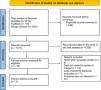
ResultsLiterature searchThe literature search retrieved 1619 records, of which 248 records were duplicates and removed before starting the screening process. The remaining 1371 records were evaluated for eligibility through a two-phase screening process, the title and abstract screening followed by the full-text screening. Finally, only seven studies met the established inclusion criteria. Literature search process is available in Figure 1.
Summary of included studies
This meta-analysis included seven studies with 1071 COPD patients. Four studies were observational studies, two were randomized controlled trials (RCTs), and one study was a sub-study from a previous RCT. Six hundred seventy-nine patients underwent off-pump CABG and the remaining 392 underwent on-pump CABG. Inclusion criteria were comparable among all the included studies, most of the patients were males of old age and nearly 36.6% of them had a history of smoking. A summary of the included studies including a history of diabetes mellitus, hypertension, hyperlipidemia, and other patient characteristics is presented in Table 1.
Summary and baseline characteristics of the included studies.
| Study ID | Study design | Group | NO | Age(mean±SD) | Sex(male/female) | Smoking history, n (%) | DM, n (%) | HTN, n (%) | Hyperlipid-emia, n (%) | CKD, n (%) | PAD, n (%) |
|---|---|---|---|---|---|---|---|---|---|---|---|
| Almassi (2013)32 | Sub-study from a previous RCT | On-pump | 238 | 64±8.3 | N/A | 102 (42.9%) | 103 (43.3%) | 210 (88.2%) | N/A | N/A | 47 (19.7%) |
| Off-pump | 220 | 63.5±7.9 | N/A | 114 (52.1%) | 95 (43.2%) | 192 (87.3%) | N/A | N/A | 63 (28.6%) | ||
| Ammar (2011)33 | Retrospective cohort | On-pump | 31 | 68 | 23/8 | 4 | 12 (38.71%) | N/A | N/A | N/A | N/A |
| Off-pump | 31 | 68 | 23/8 | 31 | 14 (45.16%) | N/A | N/A | N/A | N/A | ||
| Çetin (2019)34 | Retrospective cohort | On-pump | 42 | 60.98±9.98 | 40/2 | 5 (13.1%) | 26 (61.9%) | 19 (45.2%) | 3 (7.1%) | 3 (7.1%) | 0 |
| Off-pump | 333 | 61.50±9.13 | 293/40 | 59 (22.3%) | 168 (50.5%) | 162 (48.6%) | 13 (3.9%) | 12 (3.6%) | 3 (0.9%) | ||
| Güler (2001)35 | RCT | On-pump | 18 | 54.05±9.03 | N/A | 15 (83.3%) | N/A | N/A | N/A | N/A | N/A |
| Off-pump | 19 | 57.85±10.55 | N/A | 16 (84.2%) | N/A | N/A | N/A | N/A | N/A | ||
| Lizak (2009)36 | Retrospective cohort | On-pump | 14 | 63.8±5.8 | 8/6 | 4 | 7 | 11 | 9 (64.3%) | 1 (7.1%) | N/A |
| Off-pump | 18 | 63.4±9.9 | 15/3 | 7 | 5 | 14 | 14 (77.8%) | 2 (11.1%) | N/A | ||
| Mady (2023)37 | RCT | On-pump | 30 | N/A | N/A | N/A | N/A | N/A | N/A | N/A | N/A |
| Off-pump | 30 | N/A | N/A | N/A | N/A | N/A | N/A | N/A | N/A | ||
| Zhu (2004)38 | Retrospective cohort | On-pump | 19 | 61.3±1.9 | 7/12 | 15 | 4 | 2 | N/A | 2 | N/A |
| Off-pump | 28 | 62.4±2.7 | 12/16 | 20 | 6 | 3 | N/A | 5 | N/A | ||
Abbreviations: CKD: chronic kidney disease; DM: diabetes mellitus; HTN: hypertension; PAD: peripheral artery disease.
For the risk of bias of observational studies assessment (Supplementary Data 1), Lizak et al.36 and Zhu et al.38 had a high quality (score=7), while Çetin et al.34 and Ammar et al.33 were determined to have moderate quality (score=6). All studies were compromised due to a lack of appropriate comparability among the study groups. Also, three studies lost another quality point due to the lack of representativity of the exposed cohort.33,34,36 Meanwhile, from RCTs assessment (Supplementary Data 2 and 3), Güler et al.35 and Almassi et al.32 studies showed a low risk of bias in all domains except the selection of the reported result domain where they showed some concerns. Meanwhile, Mady et al.37 had some concerns in all domains except missing outcome data and measurement of the outcome domains where it showed a low risk of bias, making it has a high risk of bias. However, that study was not excluded due to the limited studies available for inclusion in this meta-analysis.
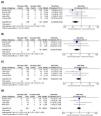
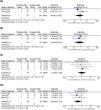
OutcomesHospital stay duration, mechanical ventilatory support, and intensive care unit stay durationThree studies reported hospital duration comparison between off-pump and on-pump CABG which presented that the off-pump technique significantly reduced hospital stay time compared to the on-pump technique (MD=−2.34 days; 95% CI: [−4.51, −0.17], p=0.03). However, the pooled results were heterogeneous (I2=93%, p<0.00001) (Figure 2A). Meanwhile, four studies reported mechanical ventilatory support and intensive care unit stay duration. The off-pump technique significantly reduced mechanical ventilatory support duration more than the on-pump technique (MD=−4.73 hours; 95% CI: [−6.17, −3.29], p<0.00001, I2=0%) (Figure 2B). However, there is no statistically significant difference about intensive care unit stay duration between these groups (MD=−0.41 days; 95% CI: [−0.92, 0.10], p=0.12, I2=89%) (Figure 2C).
Mortality, LCOP, reintubation, and atrial fibrillation
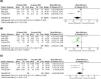
Meta-analysis on mortality indicator has shown that off-pump CABG is beneficial to reduce mortality risk among COPD patients (RR 0.21; 95% CI: [0.08, 0.54], p=0.001, I2=27%, p=0.24) (Figure 3A). Similarly, off-pump CABG also reduces LCOP development significantly compared to the on-pump group (RR=0.43, 95% CI [0.19, 0.99], p=0.05, I2=0%) (Figure 3B). However, no significant difference was found based on reintubation (RR=0.58; 95% CI: [0.29, 1.16], p=0.12, I2=2%) and atrial fibrillation rate (RR=0.84; 95% CI [0.46, 1.54], p=0.58, I2=28%) between off-pump and on-pump CABG (Figure 3C and D).
Reexploration, pneumonia, pleural effusion, and atelectasis
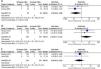
All four parameters did not present to be significantly different regarding off-pump or on-pump CABG allocation in COPD patients. However, there is a trend that off-pump CABG reduced re-exploration (RR=0.69; 95% CI [0.12, 3.92], p=0.68), pneumonia (RR=0.61, 95% CI [0.10, 3.54], p=0.58), and atelectasis (RR=0.41, 95% CI [0.15, 1.11], p=0.08) risk while increased pleural effusion risk (RR=1.12, 95% CI [0.37, 3.40], p=0.84). However, the value does not reach statistical significance (Figure 4A–D).
Acute respiratory distress syndrome (ARDS), stroke, and renal failure
The development of three observed complications in this meta-analysis were not statistically significant. However, ARDS (RR=0.18, 95% CI [0.03–1.00], p=0.05) and renal failure (RR=0.56, 95% CI [0.15, 2.03], p=0.37) seemed to be lower in off-pump than on-pump CABG in COPD patients. Meanwhile, stroke risk was increased (RR=4.16, 95% CI [0.71, 24.31], p=0.11) in off-pump CABG patients. However, it should be noted that each parameter was only assessed in two studies (Figure 5A–C).
Discussion
The current meta-analysis analyzed the impact of off-pump versus on-pump CABG procedure in COPD patients. Off-pump CABG showed superiority on reduction of hospital stay time, mechanical ventilatory support duration, mortality, and postoperative low cardiac output prevalence. Off-pump CABG is a minimally invasive procedure involving multiple vessels grafting through a typical median sternotomy.39,40 Its usage is becoming more prevalent since it is associated with shorter operative time, which may lead to an excellent outcome, including reduced mortality (real vs. expected mortality=1.6% vs. 2.6%) and morbidity (stroke and deep sternal wound infection rates are <1%).41 The primary distinction between off-pump and on-pump CABG is the method of maintaining cardiac rhythm, where in on-pump CABG there is a requirement for using a heart-lung bypass machine.39,42 Off-pump CABG is occasionally favored regarding its potential to decrease the likelihood of specific problems linked to the heart-lung bypass machine (extracorporeal circulation), including hemorrhage, inflammation, and blood cell impairment.43 Furthermore, it is also linked to early mobilization in patients diagnosed with COPD. Off-pump CABG can shorten inpatient time by reducing further intraoperative complications in COPD patients.21 It is significant because the comorbidity evaluated in this study (COPD) may influence CABG outcome depending upon the degree of the preoperative pulmonary disorder, the subject's general state, and the capabilities to address high-risk situations.44 Some of post-CABG situations that may be associated with COPD are longer ICU and hospital stay, pneumothorax, pulmonary edema, and in-hospital mortality, although the available investigations showed inconsistent findings.45,46 However, our investigation shows no difference in pulmonary complications such as acute respiratory distress syndrome (ARDS), atelectasis, pneumonia, and pleural effusion between off-pump and on-pump CABG techniques.
COPD patients require less mechanical ventilation intervention because their heart continues to function during off-pump CABG.42 Heartbeat preservation improves cardiac function intraoperatively compared to on-pump CABG,47 which is critical for fostering better postoperative cardiac performance. The literature has found that COPD patients have an elevated probability of hemodynamic instability during cardiac positioning, resulting in a prolonged ischemic duration.32 However, off-pump CABG, which avoids cardioplegic arrest, appears to minimize the probability of ischemic myocardial injury.48 One of the processes relates to ischemic/reperfusion injury because the post-cardiac surgery myocardial is subjected to dramatic swings of ischemia and reperfusion,49 particularly with on-pump CABG, which involves a shift from body circulation to extracorporeal circulation. Off-pump CABG has a beneficial influence on retaining cardiac function, as seen by decreased low cardiac output prevalence in the current meta-analysis.
Furthermore, off-pump CABG is linked to an earlier extubation phase due to reduced blood loss and enhanced hemodynamic stability.39 This is particularly important since a shorter mechanical ventilation duration (and presumably an intensive care unit/ICU stay) also lower the risk of developing ventilator-related barotrauma and infection, further improving patients’ prognosis.50 Moreover, this reduction could contribute to the prevention of prolonged inflammatory reactions (cytokine production) following heart surgery, particularly in high tidal volume/low positive end-expiratory pressure than in patients with low tidal volume/high positive end-expiratory pressure.51,52 This is more pronounced in patients with mechanical ventilation configured to. A postoperative increase of a cytokine, interleukin (IL)-6, is related to an increased risk of death because it may be a sign of heart damage and systemic inflammation.53 However, the current meta-analysis does not present differences in intensive care unit stay time, reintubation risk, atrial fibrillation, re-exploration (similar patency between off-pump and on-pump CABG),54 stroke, and renal failure between off-pump and on-pump CABG.
The current meta-analysis focuses specifically on the subset of COPD patients, which is novel compared to the previous meta-analysis, which only analyzed off-pump and on-pump CABG in a general patient population. The strength of this study is the analysis of multiple immediate postoperative outcomes, categorized into patients’ complications, reintubation and re-exploration rates, hospitalizations and critical care characteristics, and mortality risks. The limitations of this study primarily stem from including observational studies alongside RCTs, which may result in lower-quality evidence, as well as the small number of studies included in the meta-analysis. Also, we are unable to conduct subgroup analysis due to a lack of data, particularly on the operation type and BMI.
ConclusionThis systematic review and meta-analysis concludes that off-pump CABG provides several significant benefits over on-pump CABG in COPD patients, including reductions in mortality, hospital stay duration, the need for mechanical ventilatory support, and low cardiac output outcome reduction. In addition, off-pump CABG may also produce a reduction in postoperative respiratory complications; however, the evidence is still limited, and many variables have no significant difference against on-pump CABG. Thus, further large-scale RCTs and observational studies are needed to confirm these findings and increase the data availability for better conclusion on off-pump CABG benefit.
CRediT authorship contribution statementDH contributed to idea conception, literature search, data analysis, and manuscript writing. KZM contributed to the screening process and manuscript writing. SE and MA contributed to the quality assessment and screening process. TPU, MAA, and MSK contributed to manuscript writing. WAK and SRA contributed to data extraction. YAM contributed to data analysis, manuscript writing, and study supervision.
Ethical approvalNot applicable.
FundingNone declared.
Conflict of interestsThe authors have no conflict of interests to declare.
The following are the supplementary data to this article: