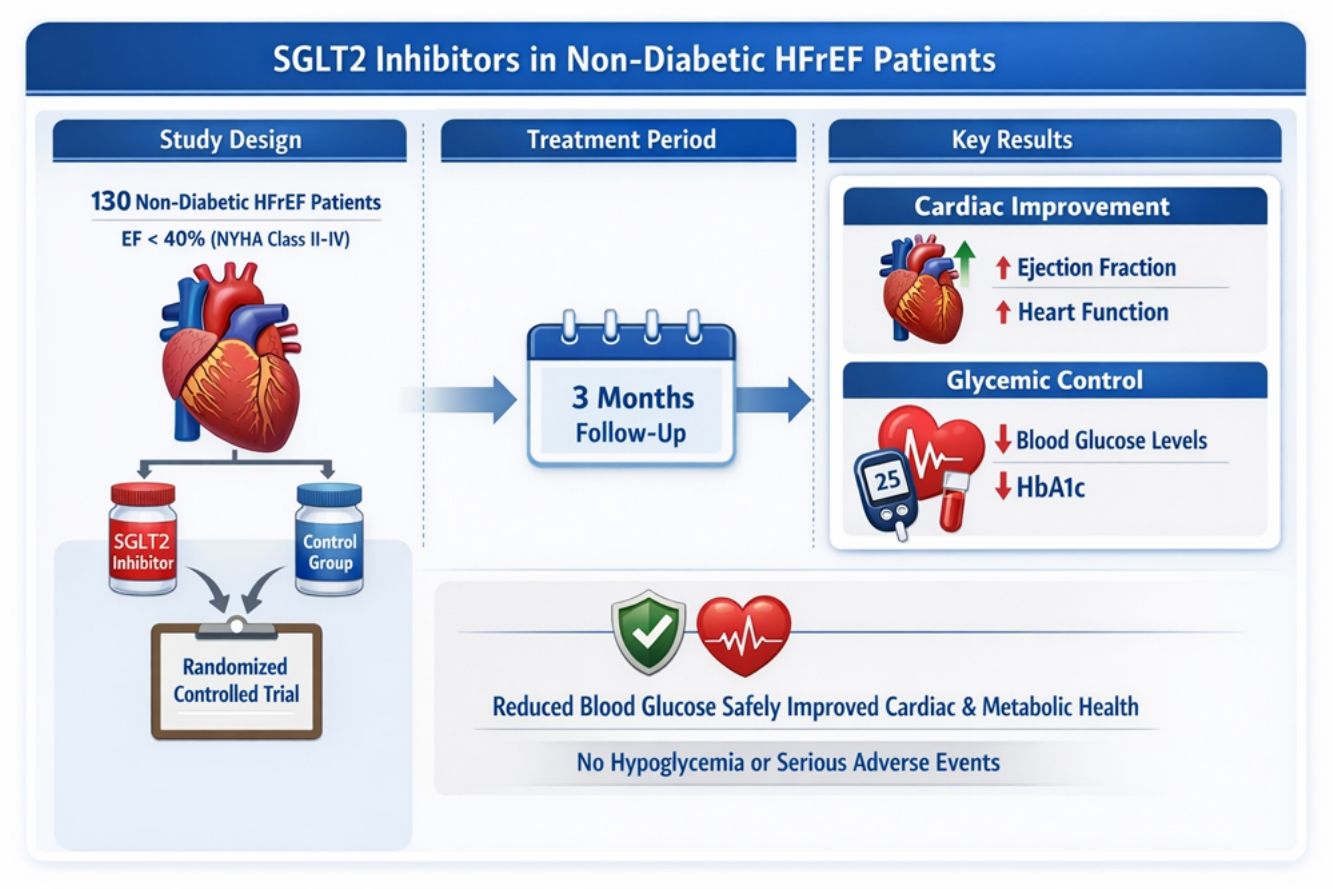
Sodium-glucose cotransporter 2 inhibitors (SGLT2) were initially developed as antihyperglycemic agents for the management of type 2 diabetes mellitus (T2DM). This study sought to evaluate the impact of sodium-glucose cotransporter 2 inhibitors on blood glucose levels in patients with HFrEF without diabetes.
MethodsThis randomized controlled trial included 130 patients with HF classified as NYHA class II to IV and without diabetes, with an ejection fraction (EF) below 40% as determined by echocardiography within the preceding three months. Baseline assessments included serum creatinine, random and fasting blood glucose, 2-hour postprandial glucose, HbA1c, urine acetone, BMI, blood pressure, and serum electrolytes (sodium, potassium, magnesium, ionized calcium, and phosphorus). After three months of treatment, all these clinical and laboratory parameters were reassessed in both groups.
ResultsTreatment led to significant improvements in cardiac function, including reductions in left ventricular diameters and volumes, and increases in ejection fraction, tricuspid annular plane systolic excursion, and right ventricular fractional area change (p<0.05). Glycemic control also improved, with significant decreases in fasting, postprandial, HbA1c, and random blood glucose (p<0.001). Serum creatinine, magnesium, and phosphorus levels increased significantly (p<0.001). Adverse events were minimal, with only one patient showing urine acetone positivity (1.5%, p=0.99), and no symptomatic hypoglycemia, ketoacidosis, or significant hypotension occurred.
ConclusionsSGLT2 inhibitors safely reduce blood glucose in patients with HFrEF without diabetes without causing hypoglycemia, highlighting their potential cardiovascular and metabolic benefits and supporting their use in this population.
Os inibidores do cotransportador de sódio-glicose 2 (SGLT2) foram inicialmente desenvolvidos como agentes anti-hiperglicémicos para o tratamento da diabetes mellitus tipo 2 (DM2). Este estudo teve como objetivo avaliar o impacto dos inibidores do SGLT2 nos níveis de glicemia em doentes com insuficiência cardíaca com fração de ejeção reduzida (ICFER) não diabéticos.
MétodosEste ensaio clínico aleatorizado incluiu 130 doentes não diabéticos com insuficiência cardíaca em classe funcional II-IV da NYHA e fração de ejeção inferior a 40%, determinada por ecocardiograma nos três meses anteriores. As avaliações basais incluíram creatinina sérica, glicemia aleatória e em jejum, glicemia pós-prandial às 2 horas, HbA1c, acetona urinária, índice de massa corporal (IMC), pressão arterial e eletrólitos séricos (sódio, potássio, magnésio, cálcio ionizado e fósforo). Após três meses de tratamento, todos estes parâmetros clínicos e laboratoriais foram reavaliados em ambos os grupos.
ResultadosO tratamento levou a melhorias significativas na função cardíaca, incluindo reduções nos diâmetros e volumes do ventrículo esquerdo e aumentos na fração de ejeção, excursão sistólica do plano do anel tricúspide (TAPSE) e variação fracional da área do ventrículo direito (P < 0,05). O controlo glicémico também melhorou, com reduções significativas na glicemia em jejum, pós-prandial, HbA1c e na glicemia aleatória (P < 0,001). Os níveis séricos de creatinina, magnésio e fosfato aumentaram significativamente (P < 0,001). A ocorrência de eventos adversos foi mínima, com apenas um doente a apresentar positividade para acetona urinária (1,5%, P = 0,99), não tendo ocorrido hipoglicemia sintomática, cetoacidose ou hipotensão significativa.
ConclusõesOs inibidores do SGLT2 reduzem de forma segura os níveis de glicose sanguínea em doentes não diabéticos com ICFER sem provocar hipoglicemia, evidenciando potenciais benefícios cardiovasculares e metabólicos, e apoiando.

Heart failure (HF) is a complex clinical syndrome characterized by fatigue, dyspnea, reduced exercise tolerance, and fluid retention. These symptoms result from impaired ventricular filling and/or reduced ejection fraction, often leading to significant morbidity and mortality worldwide.1
In HF with reduced ejection fraction (HFrEF), standard pharmacological therapy has traditionally included beta-blockers, diuretics, angiotensin-converting enzyme inhibitors (ACEIs), angiotensin receptor blockers (ARBs), angiotensin receptor–neprilysin inhibitors (ARNIs), hydralazine in combination with nitrates, digoxin, and mineralocorticoid receptor antagonists (MRAs).2,3 While many of these agents improve symptoms and quality of life, only select classes – namely beta-blockers, ACEIs, ARNIs, MRAs, and hydralazine/nitrates – have demonstrated a consistent mortality benefit. In contrast, the role of diuretics remains largely symptomatic, with limited evidence of improved survival.4
Sodium-glucose cotransporter 2 inhibitors (SGLT2) were initially developed as antihyperglycemic agents for the management of type 2 diabetes mellitus (T2DM). These agents reduce renal glucose reabsorption in the proximal tubules, promoting glycosuria and subsequent lowering of blood glucose levels.5,6
However, early cardiovascular outcome trials in diabetic populations – such as EMPA-REG OUTCOME and CANVAS revealed that SGLT2 inhibitors confer cardiovascular protection that extends beyond glycemic control, including significant reductions in HF hospitalizations and cardiovascular death.7–9 These benefits were accompanied by favorable effects on weight, blood pressure,10,11 and renal outcomes,12 leading to their incorporation into the 2019 ESC guidelines for patients with T2DM and established cardiovascular disease.9,13
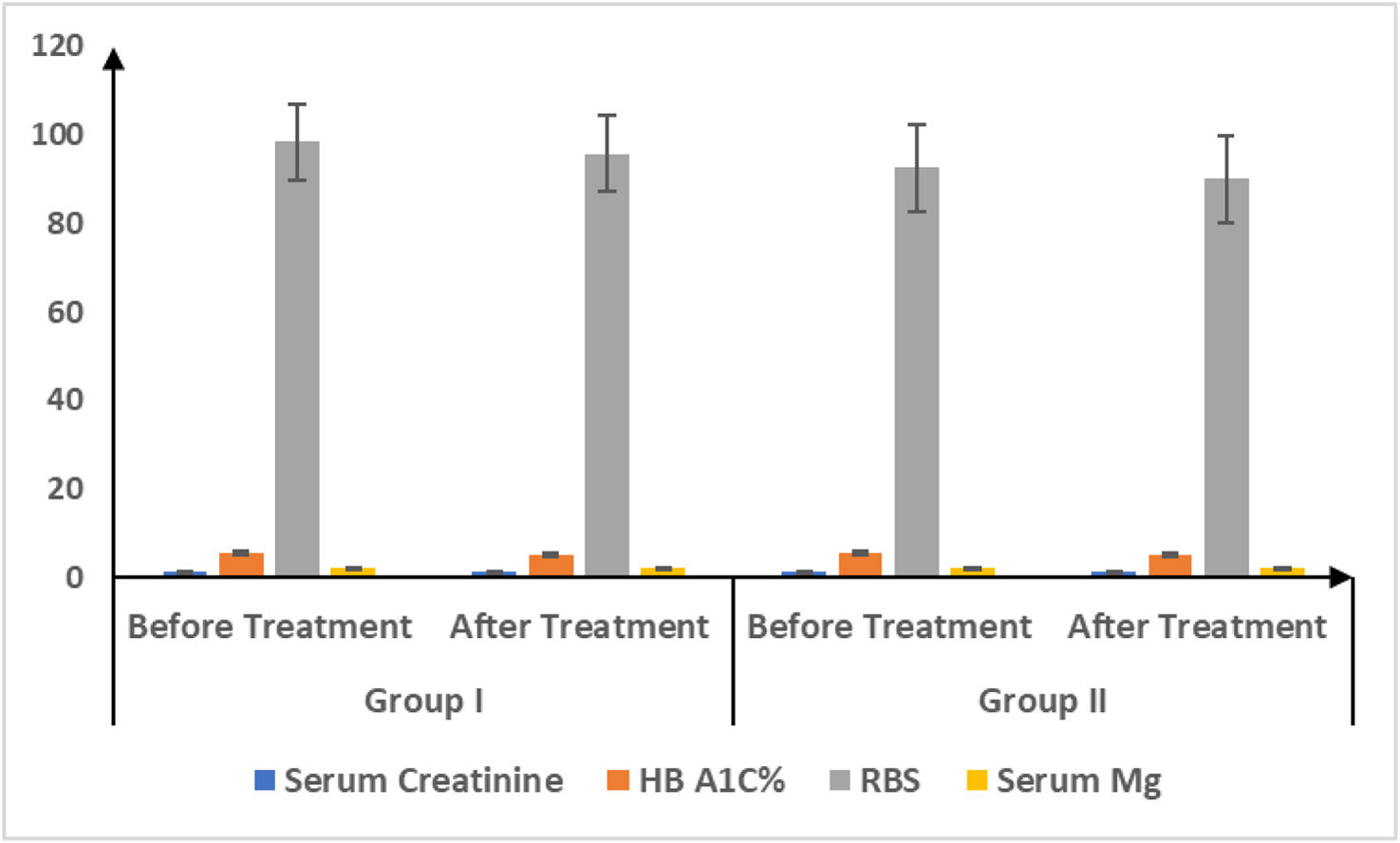
Subsequent trials expanded these findings to patients with HFrEF without diabetes. Landmark studies such as DAPA-HF and EMPEROR-Reduced demonstrated that SGLT2 inhibitors significantly reduce the risk of cardiovascular death and HF hospitalization regardless of diabetes status.14,15 This pivotal evidence culminated in the FDA approval (May 2020) of dapagliflozin for the treatment of HFrEF in both individuals with and without diabetes (Figures 1–4).


As a result, SGLT2 inhibitors have now been incorporated into recent European Society of Cardiology (ESC) guidelines (2023) as cornerstone therapy for patients with HFrEF, with further support in the 2024 ESC guidelines on diabetes, prediabetes, and cardiovascular disease.16–18
Given the growing burden of metabolic syndrome and the expanding therapeutic potential of SGLT2 inhibitors across glycemic spectrums, there is an urgent need to better understand their role in improving outcomes in HF populations without diabetes.19,20
ObjectivesThis study was conducted to evaluate the impact of sodium-glucose cotransporter 2 inhibitors on blood glucose levels in patients with HFrEF without diabetes.
MethodsThis randomized controlled trial included 130 participants without diabetes, all aged ≥18 and of both genders, diagnosed with HF classified as New York Heart Association (NYHA) functional class II to IV. Eligibility required a left ventricular ejection fraction (LVEF) of less than 40%, confirmed by echocardiography conducted within the last three months. The study was carried out between January and June 2023, following ethical approval from the Institutional Review Board of Beni-Suef University Hospitals, Beni-Suef, Egypt. Informed written consent was obtained from all individuals before their inclusion in the study.
Exclusion criteria included pregnant or breastfeeding women, those planning pregnancy during the study period, previous cardiac surgery or cerebrovascular disorders, patients with terminal illnesses such as cancer, or those with severe psychiatric conditions (e.g., schizophrenia) that could interfere with study participation. Patients with an estimated glomerular filtration rate (eGFR) below 30 mL/min/1.73 m2 were also excluded.
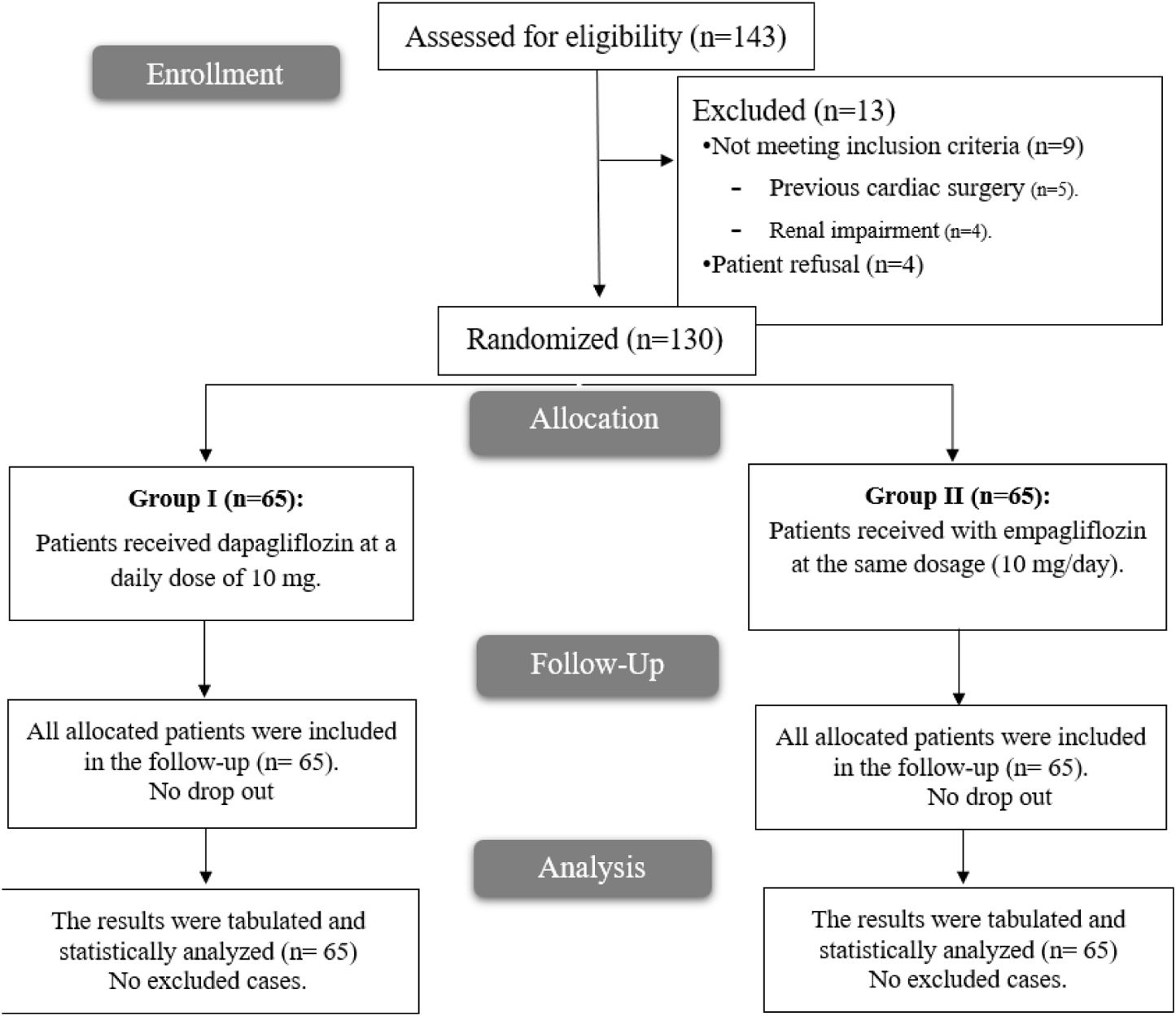
RandomizationParticipants were randomly assigned using computer-generated randomization numbers using an online randomization program (http://www.randomizer.org) to produce a random list, and the code of each patient was stored in an opaque sealed envelope. Patients were assigned randomly to two groups using a 1:1 allocation ratio in a parallel manner (n=65 per group). Group I received dapagliflozin at a daily dose of 10 mg, while Group II was treated with empagliflozin at the same dosage (10 mg/day).
Full history taking, clinical examination, and standard laboratory tests (renal function tests, eGFR, fasting and random blood glucose levels, 2-hour postprandial blood glucose, urine acetone, and serum electrolytes), electrocardiography (ECG), and transthoracic echocardiography were assessed at baseline and three-month follow-up. During the intervention period, patients were observed for any indications or manifestations indicative of hypoglycemia.
At baseline, the following parameters were documented: serum creatinine, random blood glucose, fasting blood glucose, postprandial glucose (2HPP), HbA1c, urine acetone, body mass index (BMI), systolic and diastolic blood pressure, and serum concentrations of sodium, potassium, magnesium, ionized calcium, and phosphorus.
The treatment duration spanned three months for both groups. Following this period, all clinical and laboratory assessments were repeated, including measurements of serum creatinine, glycemic indices (random, fasting, postprandial blood glucose, HbA1c), urine acetone, BMI, blood pressure, and serum electrolytes.
Transthoracic echocardiographic assessments were performed at baseline and at the three-month follow-up using Doppler echocardiography. LVEF was calculated using the modified Simpson's method, left ventricular end-diastolic diameter, and left ventricular end-systolic diameter were assessed.
Statistical analysisStatistical analyses were performed with SPSS v26 (IBM Inc., Chicago, IL, USA). Shapiro–Wilk test and histograms were used to evaluate the normality of the distribution of data. Quantitative parametric variables were presented as mean and standard deviation (SD) and compared between the two groups using unpaired Student's t-test. Quantitative non-parametric data were presented as median and interquartile range (IQR) and were analyzed by Mann–Whitney test. Qualitative variables were presented as frequency (%) and were analyzed using the Chi-square test or Fisher's exact test when appropriate. A two-tailed p≤0.05 was considered statistically significant.
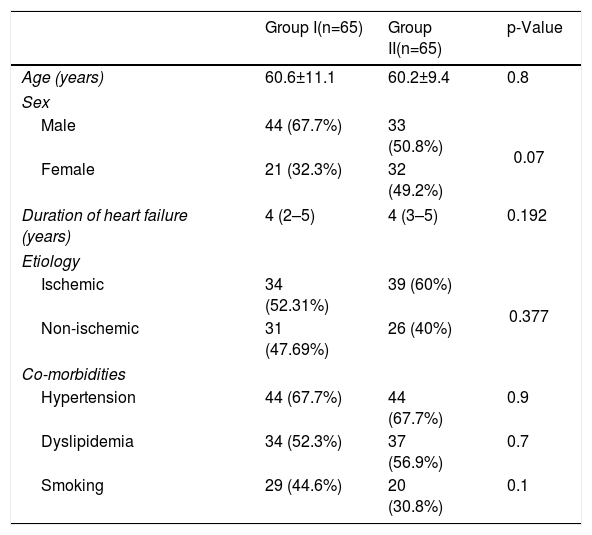
ResultsBaseline characteristicsFor the purposes of this study, 130 patients with HF, without diabetes, and a lower ejection fraction were randomly assigned in equal numbers to two groups. There were no statistically significant variations between the groups’ baseline demographics and clinical profiles. The sex distribution did not significantly differ (p=0.07), and the mean age was comparable (60.6±11.1 years in Group I vs. 60.2±9.4 years in Group II; p=0.8). The median duration of HF was 4 years (IQR, 2–5 years) in Group I vs. 4 (IQR, 3–5) years in Group II; p=0.192) and the etiology distribution did not significantly differ (p=0.377). Similarly, the groups did not differ significantly in the prevalence of associated comorbidities such as hypertension, dyslipidemia, and smoking status (p>0.05 for all). None of the patients had diabetes mellitus (Table 1).
Comparisons of demographic characteristics and co-morbidities and blood pressure measurements and baseline echo-cardiographic measures.
| Group I(n=65) | Group II(n=65) | p-Value | |
|---|---|---|---|
| Age (years) | 60.6±11.1 | 60.2±9.4 | 0.8 |
| Sex | |||
| Male | 44 (67.7%) | 33 (50.8%) | 0.07 |
| Female | 21 (32.3%) | 32 (49.2%) | |
| Duration of heart failure (years) | 4 (2–5) | 4 (3–5) | 0.192 |
| Etiology | |||
| Ischemic | 34 (52.31%) | 39 (60%) | 0.377 |
| Non-ischemic | 31 (47.69%) | 26 (40%) | |
| Co-morbidities | |||
| Hypertension | 44 (67.7%) | 44 (67.7%) | 0.9 |
| Dyslipidemia | 34 (52.3%) | 37 (56.9%) | 0.7 |
| Smoking | 29 (44.6%) | 20 (30.8%) | 0.1 |
Data are expressed as mean±standard deviation, median (IQR) or frequency (%).
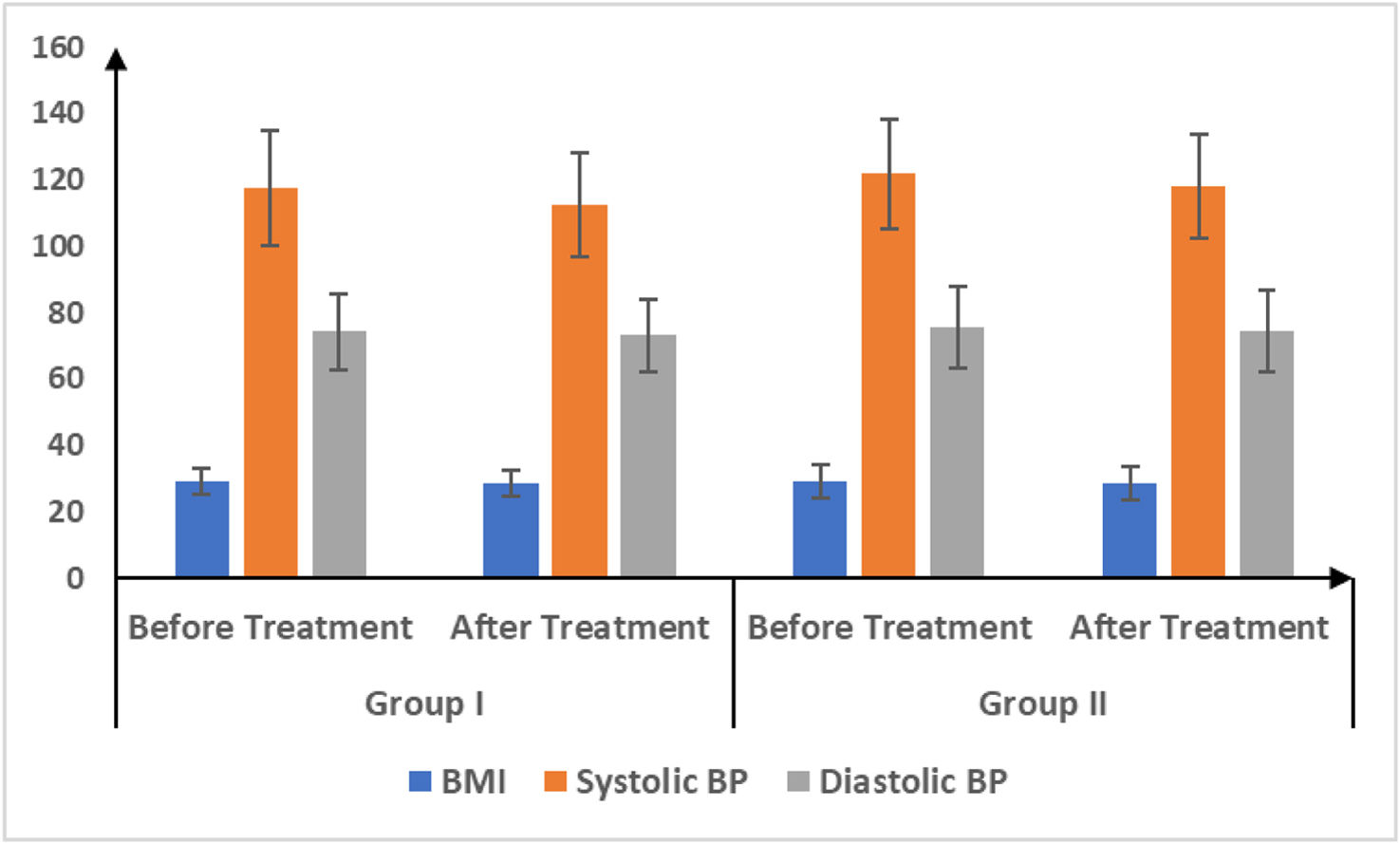
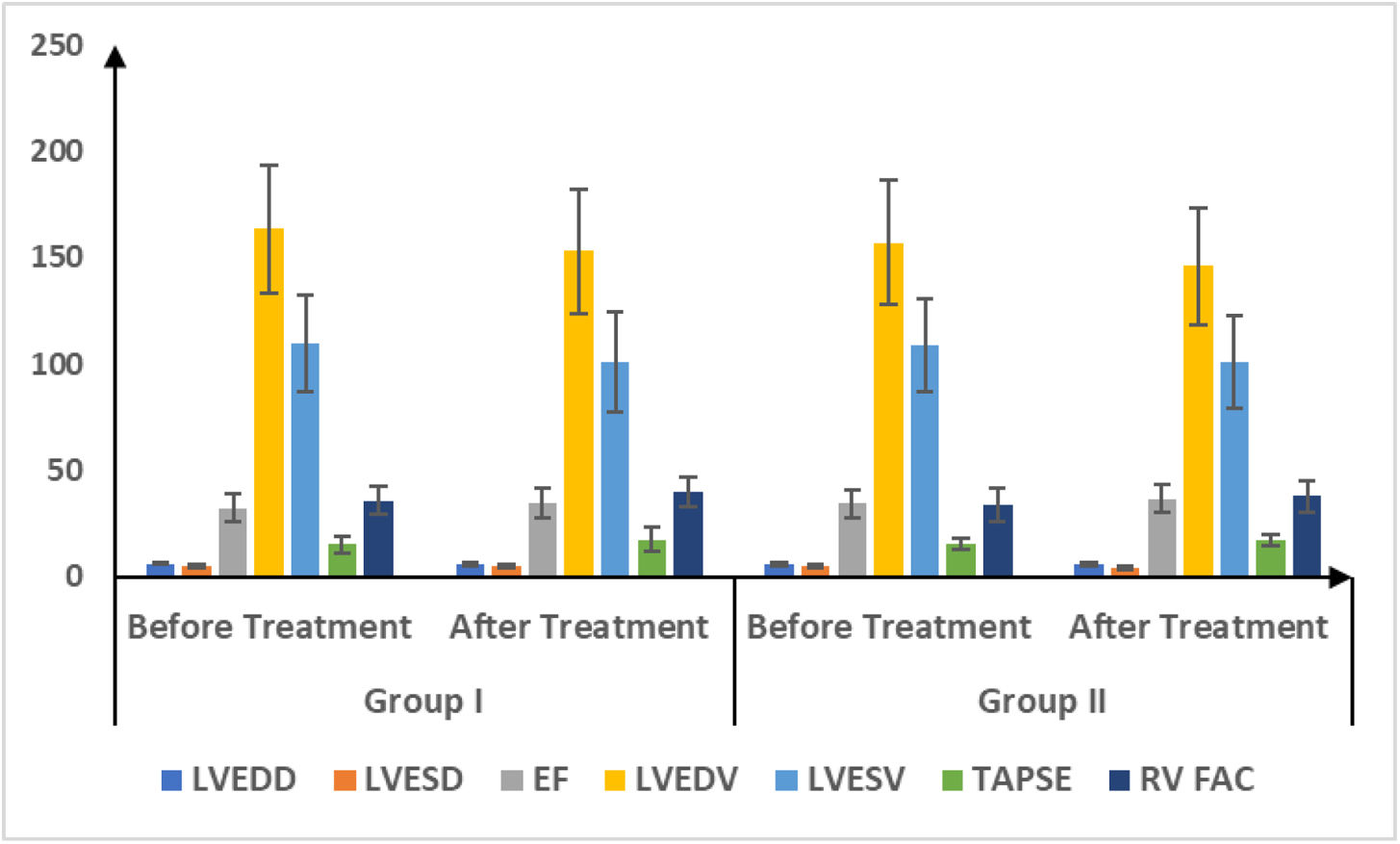
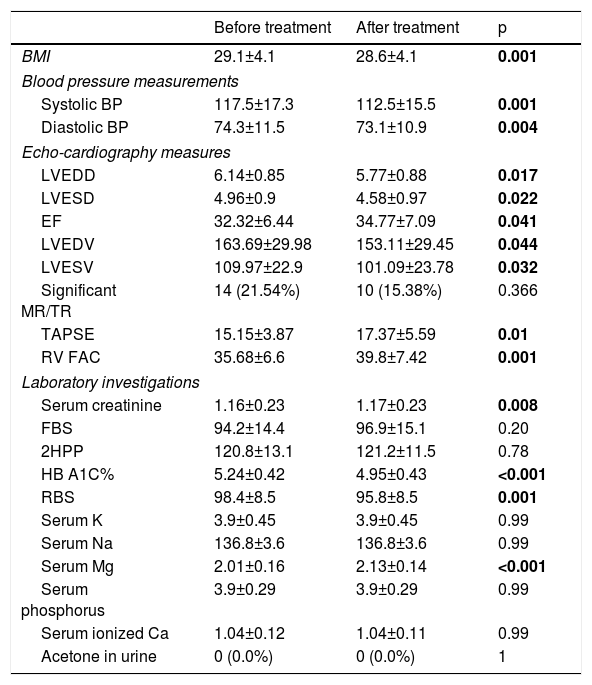
The BMI decreased statistically significantly after three months of dapagliflozin medication (from 29.1±4.1 to 28.6±4.1, p=0.001). There was a significant decrease in both the diastolic and systolic blood pressure (diastolic: p=0.001, systolic: p=0.001). These changes were accompanied by reverse remodeling and an increase in LVEF. Additionally, there was a substantial drop in HbA1c, 2HPP, FBS, and random blood glucose levels (p<0.05). Regarding renal and metabolic profiles, there was a substantial increase in serum creatinine and magnesium levels (p=0.02 and p<0.001, respectively), as well as a notable elevation in serum phosphorus (p=0.001). Significant mitral/tricuspid regurgitation, serum potassium, sodium, and ionized calcium did not significantly change. Crucially, there were no reports of hypoglycemic symptoms or positive urine acetone tests (Table 2).
Comparisons of BMI and blood pressure measurements, serum creatinine, glucose profile and electrolytes pre and post dapagliflozin treatment regimen in group (I).
| Before treatment | After treatment | p | |
|---|---|---|---|
| BMI | 29.1±4.1 | 28.6±4.1 | 0.001 |
| Blood pressure measurements | |||
| Systolic BP | 117.5±17.3 | 112.5±15.5 | 0.001 |
| Diastolic BP | 74.3±11.5 | 73.1±10.9 | 0.004 |
| Echo-cardiography measures | |||
| LVEDD | 6.14±0.85 | 5.77±0.88 | 0.017 |
| LVESD | 4.96±0.9 | 4.58±0.97 | 0.022 |
| EF | 32.32±6.44 | 34.77±7.09 | 0.041 |
| LVEDV | 163.69±29.98 | 153.11±29.45 | 0.044 |
| LVESV | 109.97±22.9 | 101.09±23.78 | 0.032 |
| Significant MR/TR | 14 (21.54%) | 10 (15.38%) | 0.366 |
| TAPSE | 15.15±3.87 | 17.37±5.59 | 0.01 |
| RV FAC | 35.68±6.6 | 39.8±7.42 | 0.001 |
| Laboratory investigations | |||
| Serum creatinine | 1.16±0.23 | 1.17±0.23 | 0.008 |
| FBS | 94.2±14.4 | 96.9±15.1 | 0.20 |
| 2HPP | 120.8±13.1 | 121.2±11.5 | 0.78 |
| HB A1C% | 5.24±0.42 | 4.95±0.43 | <0.001 |
| RBS | 98.4±8.5 | 95.8±8.5 | 0.001 |
| Serum K | 3.9±0.45 | 3.9±0.45 | 0.99 |
| Serum Na | 136.8±3.6 | 136.8±3.6 | 0.99 |
| Serum Mg | 2.01±0.16 | 2.13±0.14 | <0.001 |
| Serum phosphorus | 3.9±0.29 | 3.9±0.29 | 0.99 |
| Serum ionized Ca | 1.04±0.12 | 1.04±0.11 | 0.99 |
| Acetone in urine | 0 (0.0%) | 0 (0.0%) | 1 |
Data are expressed as mean±standard deviation or frequency (%). BMI: body mass index; Ca: calcium; EF: ejection fraction; FBS: fasting blood glucose; HbA1C: glycosylated hemoglobin; K: potassium; LVEDD: left ventricular end-diastolic diameter; LVEDV: left ventricular end-diastolic volume; LVESD: left ventricular end-systolic diameter; LVESV: left ventricular end-systolic volume; Mg: magnesium; MR/TR: mitral/tricuspid regurgitation; Na: sodium; RBS: random blood glucose; RV FAC: right ventricular fractional area change; TAPSE: tricuspid annular plane systolic excursion; 2HPP: 2-hour postprandial blood glucose.
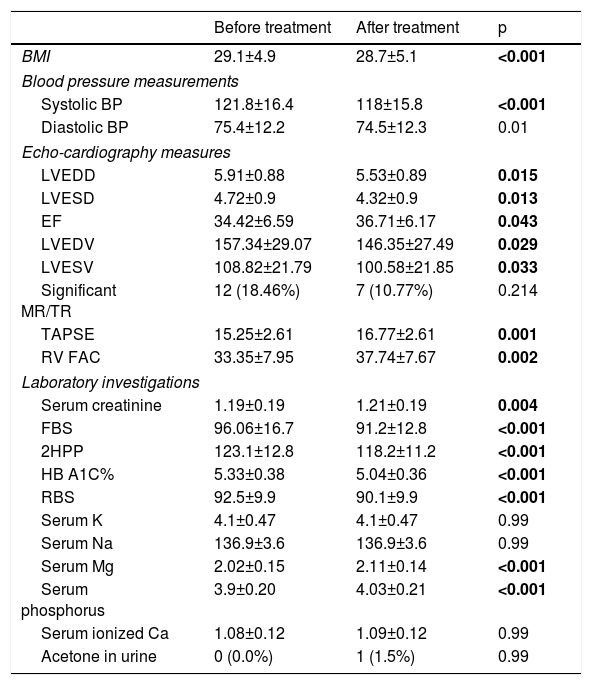
Comparable favorable results were observed in the empagliflozin cohort. Body mass index (BMI) decreased significantly from 29.1±4.9 to 28.7±5.1 (p<0.001), accompanied by substantial reductions in both systolic and diastolic blood pressures (p<0.001 for both). Echocardiographic assessment showed significant improvements in cardiac function, including reductions in left ventricular end-diastolic diameter (LVEDD), left ventricular end-systolic diameter (LVESD), left ventricular end-diastolic volume, and left ventricular end-systolic volume, along with increases in ejection fraction (EF), tricuspid annular plane systolic excursion (TAPSE), and right ventricular fractional area change (p<0.05).
Glycemic parameters also improved significantly, with reductions in fasting blood glucose (FBS), 2-hour postprandial glucose (2HPP), HbA1c, and random blood sugar (p<0.001). Laboratory analysis showed significant increases in serum creatinine, magnesium, and phosphorus levels (p<0.001), while no significant changes were observed in serum sodium, potassium, or ionized calcium. The incidence of urine acetone positivity was minimal, noted in only one patient (1.5%, p=0.99), and no symptomatic hypoglycemia was reported (Table 3).
Comparisons of BMI and blood pressure measurements, serum creatinine, glucose profile and electrolyte before and after empagliflozin treatment regimen in group (II).
| Before treatment | After treatment | p | |
|---|---|---|---|
| BMI | 29.1±4.9 | 28.7±5.1 | <0.001 |
| Blood pressure measurements | |||
| Systolic BP | 121.8±16.4 | 118±15.8 | <0.001 |
| Diastolic BP | 75.4±12.2 | 74.5±12.3 | 0.01 |
| Echo-cardiography measures | |||
| LVEDD | 5.91±0.88 | 5.53±0.89 | 0.015 |
| LVESD | 4.72±0.9 | 4.32±0.9 | 0.013 |
| EF | 34.42±6.59 | 36.71±6.17 | 0.043 |
| LVEDV | 157.34±29.07 | 146.35±27.49 | 0.029 |
| LVESV | 108.82±21.79 | 100.58±21.85 | 0.033 |
| Significant MR/TR | 12 (18.46%) | 7 (10.77%) | 0.214 |
| TAPSE | 15.25±2.61 | 16.77±2.61 | 0.001 |
| RV FAC | 33.35±7.95 | 37.74±7.67 | 0.002 |
| Laboratory investigations | |||
| Serum creatinine | 1.19±0.19 | 1.21±0.19 | 0.004 |
| FBS | 96.06±16.7 | 91.2±12.8 | <0.001 |
| 2HPP | 123.1±12.8 | 118.2±11.2 | <0.001 |
| HB A1C% | 5.33±0.38 | 5.04±0.36 | <0.001 |
| RBS | 92.5±9.9 | 90.1±9.9 | <0.001 |
| Serum K | 4.1±0.47 | 4.1±0.47 | 0.99 |
| Serum Na | 136.9±3.6 | 136.9±3.6 | 0.99 |
| Serum Mg | 2.02±0.15 | 2.11±0.14 | <0.001 |
| Serum phosphorus | 3.9±0.20 | 4.03±0.21 | <0.001 |
| Serum ionized Ca | 1.08±0.12 | 1.09±0.12 | 0.99 |
| Acetone in urine | 0 (0.0%) | 1 (1.5%) | 0.99 |
Data are presented as mean±SD or frequency (%). BMI: body mass index; Ca: calcium; EF: ejection fraction; FBS: fasting blood glucose; HbA1C: glycosylated hemoglobin; K: potassium; LVEDD: left ventricular end-diastolic diameter; LVEDV: left ventricular end-diastolic volume; LVESD: left ventricular end-systolic diameter; LVESV: left ventricular end-systolic volume; MR/TR: mitral/tricuspid regurgitation; Mg: magnesium; Na: sodium; RBS: random blood glucose; RV FAC: right ventricular fractional area change; TAPSE: tricuspid annular plane systolic excursion; 2HPP: 2-hour postprandial blood glucose.
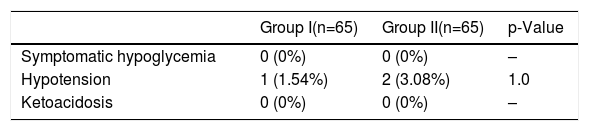
Symptomatic hypoglycemia and ketoacidosis did not occur in either group. There was no significant difference in hypotension between the groups (Table 4).
DiscussionNotwithstanding recent progress in pharmacological and non-pharmacological approaches, HF continues to be a predominant global contributor to morbidity and mortality. HF frequently arises as a result of numerous cardiovascular disorders, many of which are linked to comorbidities such as diabetes mellitus. It significantly increases the risk of cardiovascular disease, as patients with diabetes exhibit a higher incidence of cardiovascular events than individuals without diabetes.21
This study evaluated the metabolic effects of dapagliflozin and empagliflozin in patients with HFrEF without diabetes over a three-month period. Our principal findings demonstrate that both SGLT2 inhibitors exhibited favorable metabolic profiles with distinct patterns of glycemic modulation. Empagliflozin treatment resulted in statistically significant reductions in fasting blood glucose (p<0.001), 2-hour postprandial glucose (p<0.001), and HbA1c levels (p<0.001), whereas dapagliflozin primarily reduced HbA1c levels without significantly affecting fasting or postprandial glucose measurements. Neither agent produced symptomatic hypoglycemia, and both demonstrated safety regarding electrolyte balance. Notably, both groups experienced anticipated elevations in serum creatinine and magnesium levels, with empagliflozin additionally increasing serum phosphorus. Blood pressure parameters and baseline echocardiographic measures showed no significant differences between treatment groups.
This finding contrasts with the robust evidence from large-scale cardiovascular outcomes trials. Multiple comprehensive clinical trials – including EMPA-REG OUTCOME, the CANVAS program, and the DECLARE-TIMI 58 trial – have demonstrated that SGLT2 inhibitors reduce systolic blood pressure by approximately five mmHg, even in patients with baseline levels between 130 and 140 mmHg.22 Similarly, Teo et al.,23 documented moderate although consistent enhancements in blood pressure metrics among patients treated with SGLT2 inhibitors, indicating their potential utility in mitigating cardiovascular risk in populations without diabetes. Dunlay et al.,24 discovered that therapy with SGLT2 inhibitors, whether administered alone or in conjunction with GLP-1 receptor agonists, led to more significant reductions in systolic blood pressure.
The discrepancy between our findings and the existing literature may be attributable to several factors. First, our relatively short follow-up period of three months may have been insufficient to capture the gradual antihypertensive effects observed in longer trials. Second, our small sample size may have limited statistical power to detect modest blood pressure changes. Third, baseline blood pressure characteristics of our cohort may have differed from those in larger trials, potentially influencing the magnitude of observable effects. The antihypertensive mechanism of SGLT2 inhibitors – mediated through osmotic diuresis, weight reduction, and improved vascular function – may require extended observation periods to manifest clinically significant changes in HF populations without diabetes.
Interestingly, Kusaka et al.,25 conducted a preclinical study in a metabolic syndrome/prediabetes rat model, revealing that empagliflozin reduced myocardial oxidative stress without markedly influencing autonomic function or blood pressure, suggesting that cardiovascular benefits of SGLT2 inhibitors may extend beyond hemodynamic effects alone.
Our findings regarding glucose homeostasis reveal important nuances in the metabolic effects of SGLT2 inhibitors in patients with HFrEF without diabetes. Empagliflozin demonstrated significant reductions across all glycemic parameters: fasting blood glucose, 2-hour postprandial glucose, and HbA1c levels (all p<0.001). In contrast, dapagliflozin primarily reduced HbA1c levels while exerting minimal effects on fasting and postprandial glucose measurements.
These results partially align with previous research. A randomized clinical trial conducted by Petrie et al.,26 showed that dapagliflozin lowered HbA1c levels in diabetic patients while exerting little effect in patients without diabetes, with uniform advantages noted in persons with HbA1c ≥5.7% or <5.7%. This observation supports the hypothesis that SGLT2 inhibitors’ glucose-lowering effects are attenuated in individuals with normal baseline glucose levels, as their mechanism – reducing renal glucose reabsorption and inducing glycosuria – has diminished impact when filtered glucose loads are already within physiological ranges.
The differential effects between empagliflozin and dapagliflozin observed in our study warrant careful interpretation. Shi et al.,27 assessed the comparative effectiveness of dapagliflozin versus empagliflozin in improving HF outcomes and found that both medications demonstrated comparable efficacy without increasing the risk of severe hypoglycemia. However, their study focused primarily on cardiovascular outcomes rather than detailed metabolic profiling.
The findings of Santos-Gallego et al.,28 contrast with our empagliflozin results, as they reported no significant differences in glucose or HbA1c levels between empagliflozin and placebo groups. Conversely, Packer et al.,29 established that empagliflozin diminished the risk of cardiovascular mortality or hospitalization due to HF and slightly enhanced glycemic regulation, which is more consistent with our observations.
The possible explanations for the differential metabolic effects between the two SGLT2 inhibitors in our study include: (1) pharmacokinetic differences in SGLT2 selectivity and potency, (2) variations in baseline metabolic characteristics between treatment groups despite randomization, (3) individual patient responses influenced by genetic or environmental factors, and (4) statistical variability related to sample size limitations.
Critically, no symptomatic hypoglycemia was recorded in either treatment group during the investigation period. This finding strongly corroborates the work of Horii et al.,30 which emphasized the minimal hypoglycemia risk linked to SGLT2 inhibitors, particularly in those without diabetes. This favorable safety profile is ascribed to their distinctive mechanism of action, which lowers glucose levels through enhanced urinary glucose excretion without directly inducing insulin secretion or inhibiting glucagon release. This insulin-independent mechanism represents a fundamental advantage over traditional antihyperglycemic agents and supports the safety of SGLT2 inhibitor use in populations with HF without diabetes.
Regarding electrolyte homeostasis, our study found no significant alterations in serum potassium, sodium, or ionized calcium levels in either treatment group. These findings corroborate those reported by Cianciolo et al.,31 who found a negligible effect of SGLT2 inhibitors on electrolyte balance in HF patients. This observation is clinically reassuring, given the frequent concerns about electrolyte disturbances in patients receiving diuretic therapy for HF management.
Both treatment groups recorded a notable elevation in serum creatinine levels during the study period. This finding aligns with observations by Shibata et al.,32 and represents a well-characterized early response to SGLT2 inhibitor therapy. The initial increase in serum creatinine is thought to stem from hemodynamic alterations in glomerular filtration rather than genuine renal parenchymal injury. Mechanistically, Kim et al.,33 propose that SGLT2 inhibitors exhibit a renoprotective effect via diminishing hyperfiltration and reducing intraglomerular pressure through tubuloglomerular feedback restoration. This transient creatinine elevation typically stabilizes or reverses with continued therapy and is associated with long-term preservation of renal function in cardiovascular disease populations.
Furthermore, both groups exhibited an elevation in serum magnesium levels, whereas the empagliflozin group demonstrated a notable increase in serum phosphorus. The clinical significance of these mineral alterations in the context of HF management remains incompletely understood. Magnesium plays crucial roles in cardiac electrophysiology and vascular tone regulation, and its elevation may contribute to the cardioprotective effects of SGLT2 inhibitors. The selective phosphorus increase with empagliflozin warrants further mechanistic investigation, as phosphorus homeostasis influences bone mineral metabolism, cardiovascular calcification, and cellular energy metabolism.
Our investigation revealed no significant changes in echocardiographic measures between the two therapy groups at baseline or during follow-up. This represents a significant limitation of our study, as structural and functional cardiac parameters constitute key endpoints in HF research. The absence of detectable echocardiographic changes may reflect: (1) insufficient study duration to capture cardiac remodeling effects, (2) inadequate sample size to detect modest improvements in ventricular function, (3) limitations in the echocardiographic parameters assessed, or (4) the need for more sensitive imaging modalities such as speckle-tracking echocardiography or cardiac magnetic resonance imaging to detect early beneficial changes. The lack of echocardiographic changes in our study underscores the importance of longer observation periods and comprehensive imaging protocols in future investigations.
Clinical implicationsThis study provides additional evidence supporting the metabolic safety and efficacy of SGLT2 inhibitors in patients with HFrEF without diabetes. The absence of hypoglycemia, electrolyte disturbances, or significant renal dysfunction underscores their favorable safety profile in this population. Moreover, the modest glycemic and hemodynamic benefits observed suggest that SGLT2 inhibitors may optimize metabolic balance and reduce cardiovascular risk even in patients without diabetes. These findings highlight the potential role of routine metabolic monitoring and support expanding the use of SGLT2 inhibitors in HFrEF management beyond glycemic control.
Future researchFuture studies should include randomized controlled trials with larger sample sizes and longer follow-up durations to confirm the durability and clinical relevance of these metabolic effects. Additionally, evaluating echocardiographic parameters would help clarify structural cardiac benefits and elucidate potential mechanisms underlying observed improvements in HF outcomes.
Study limitationsThis study has several limitations, including the absence of a control group, which restricts the ability to attribute observed effects solely to the intervention. The small sample size and short three-month follow-up reduce the statistical power and may not reflect long-term outcomes. Potential selection bias and lack of blinding could have influenced the results, while the absence of detailed echocardiographic parameters limits assessment of cardiac structural or functional changes. These factors should be addressed in future, larger randomized controlled trials to strengthen the validity and generalizability of the findings.
ConclusionSGLT2 inhibitors effectively lowered blood glucose levels without causing episodes of hypoglycemia in patients with HFrEF without diabetes. The findings underscore the safety profile of SGLT2 inhibitors in this population and indicate their possible cardiovascular and metabolic advantages. Consequently, the administration of SGLT2 inhibitors may be deemed suitable and not contraindicated in individuals with HFrEF without diabetes.
Authors’ contributionsAll authors contributed to the study conception and design. Material preparation, data collection and analysis were performed by [Y.A.A.], [A.S.A.A.] and [A.A.M.]. The first draft of the manuscript was written by [A.S.A.A.] and all authors commented on previous versions of the manuscript. All authors read and approved the final manuscript.
Ethics approvalThe research was carried out in the Department of Cardiology, Faculty of Medicine, University of Beni-Suef, Egypt, from January to June 2023.
Consent to participateWritten informed consent was obtained from all patients.
FundingNo funding was received for conducting this study.
Conflicts of interestThe authors have no financial or proprietary interests in any material discussed in this article.
Data availabilityData are available upon reasonable request from the corresponding author.