The primary objective of this study was to assess the impact of attending a phase 3 cardiac rehabilitation (CR) program on all-cause mortality.
MethodsWe conducted a systematic review using database searches (MEDLINE and Cochrane Central Register of Controlled Trials) up to December 2022 to identify studies that compared adult patients undergoing phase 3 of CR with those receiving usual care.
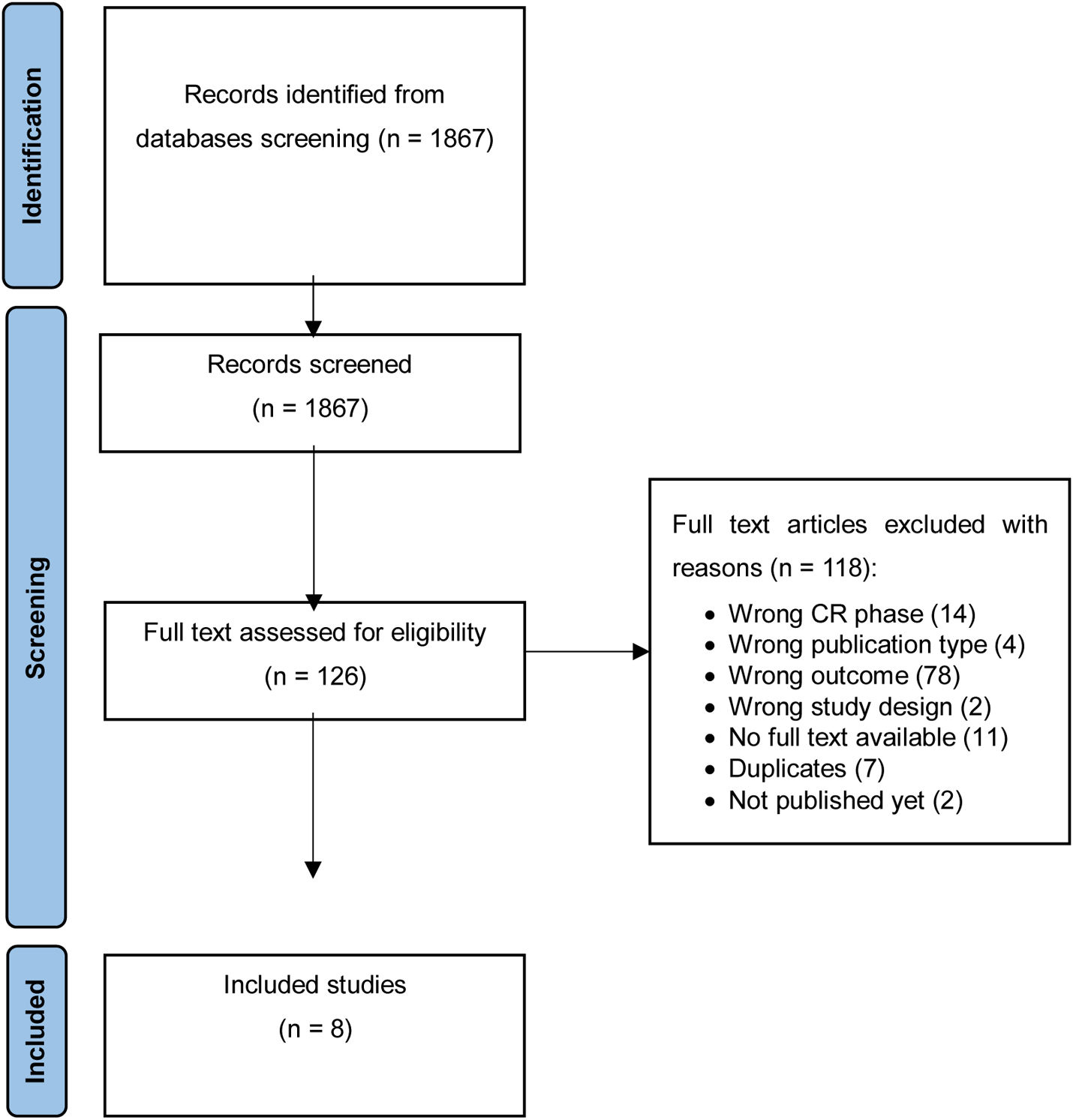
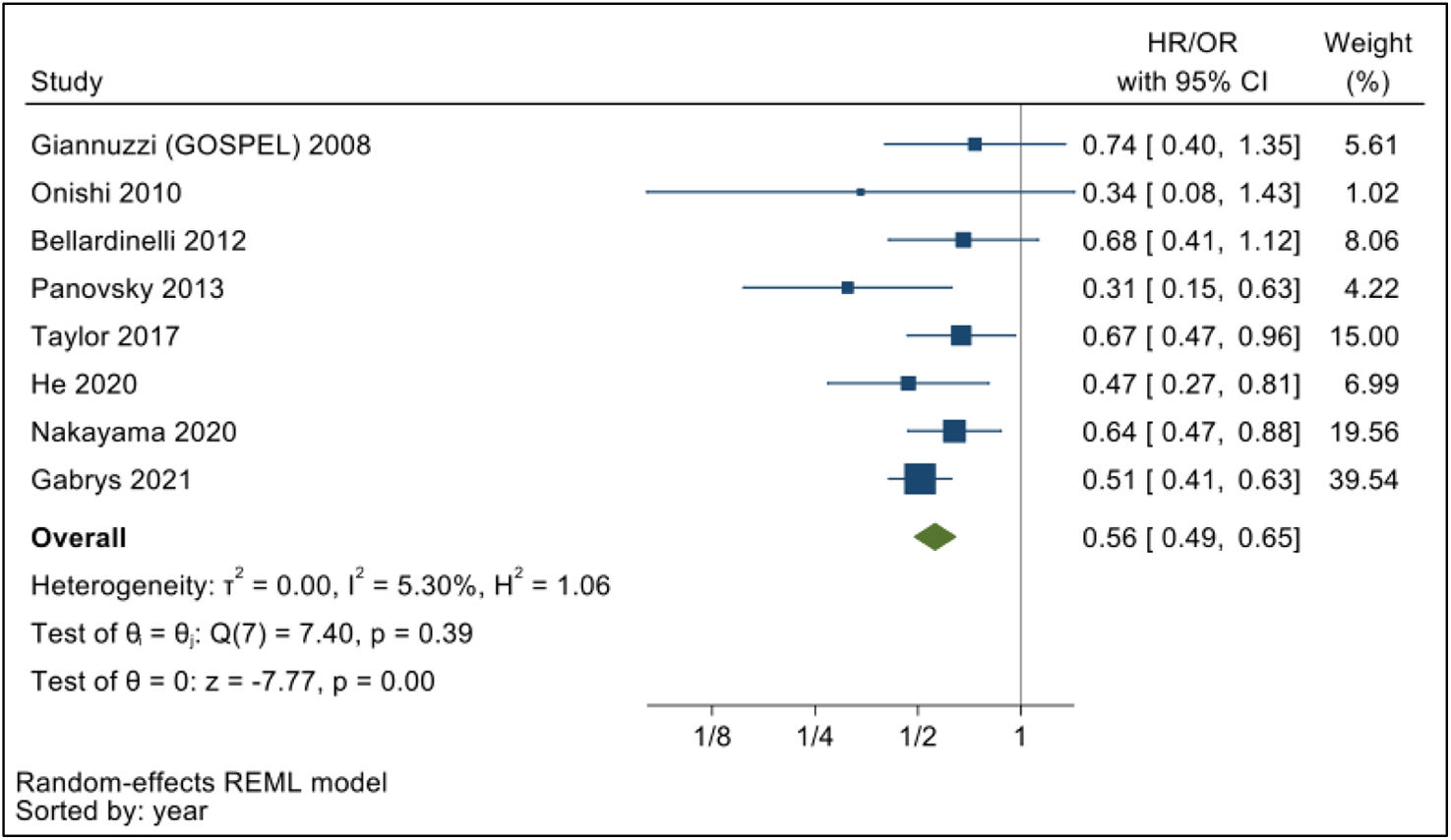
ResultsOut of a total of 1867 identified articles, eight met the eligibility criteria (two randomized controlled trials (RCT) and six non-RCT) and were included (n=60939 patients; 82% male, average age of 62±11 years). Phase 3 of a CR program showed a significant association with reduced mortality rates, with a hazard ratio (HR) of 0.56 (95% CI 0.49–0.65), with minimal evidence of statistical heterogeneity. The studies presented a range of differently structured CR programs. They varied in duration, training methods, and components.
ConclusionThis systematic review demonstrates that attending a phase 3 CR program has the beneficial effect of reducing mortality among patients with cardiovascular disease, in particular those with coronary artery disease. These findings highlight the importance of CR participation on a long-term basis and reinforce the value of increasing the number of specialized worldwide and optimizing patient referrals to participate in a long-term phase 3 CR program.
O principal objetivo deste estudo foi realizar uma avaliação sistemática para avaliar o impacto da Fase 3 dos programas de Reabilitação Cardíaca (RC) na mortalidade global.
MétodosFoi realizada uma pesquisa nas bases de dados (MEDLINE e Cochrane Central Register of Controlled Trials) até dezembro de 2022 para identificar estudos que comparassem doentes com doença cardiovascular submetidos à Fase 3 da RC com aqueles que recebiam os cuidados habituais.
ResultadosNum total de 1867 artigos identificados, 8 (2 estudos controlados randomizados (ECR) e 6 não-ECR) preencheram os critérios de elegibilidade e foram incluídos (N = 60.939 doentes; 82% do sexo masculino, idade média de 62±11 anos). A Fase 3 de um programa de RC associou-se a redução da mortalidade global, demonstrando um Hazard Ratio (HR) de 0,56 (IC 95% 0,49-0,65), com mínima heterogeneidade estatística. Os 8 estudos analisados revelaram programas de RC diversos, particularmente em relação à duração, metodologias de treino e componentes incorporados.
ConclusãoEsta revisão sistemática demonstra que a participação num programa de fase 3 de RC se associa a redução da mortalidade global de doentes com doença cardiovascular, sobretudo dos doentes com doença arterial coronária. Estes resultados evidenciam a importância de uma participação a longo prazo e reforçam a necessidade de aumentar o número de centros especializados, bem como de otimizar a referenciação para programas de fase 3.
Cardiac rehabilitation (CR) is a meticulously structured multidimensional intervention designed to support individuals who have experienced cardiovascular events or are at high cardiovascular risk. CR has demonstrated a multitude of benefits, including improved quality of life, increased functional capacity, enhanced adherence to pharmacological therapy, mitigation of anxiety and depression levels, reduced hospitalization rates, and even mortality reduction.1–5 These benefits mean CR is one of the most cost-effective interventions for managing cardiovascular disease.6,7
Cardiac rehabilitation typically comprises three phases. Phase 1 begins in the hospital, ideally 24–48 hours after an uncomplicated acute cardiac event. Phase 2 (exercise and education phase) ideally starts within the first two weeks after hospital discharge and lasts for three to six months.8 It can be conducted within the hospital setting, specialized CR centers, or in some cases, at the patient's home. This phase should include an individualized physical exercise program, educational sessions regarding lifestyle modification and fostering autonomy and psychological monitoring.8 Phase 3, also known as the maintenance phase, starts after the second phase and is intended to last throughout the patient's lifetime.
The impact of phase 2 of CR on patient prognosis has been extensively studied over the years.9,10 Physical exercise is currently recommended for heart failure (HF) patients, not only for its benefits in improving functional capacity and symptoms, but also for reducing the risk of hospital readmissions.11–13 The ExTraMATCH II meta-analysis demonstrated that participation in exercise-based CR programs was associated with improved quality of life and exercise tolerance in HF patients. However, it did not show a significant impact on mortality or hospitalizations.14
In 2019, the updated Cochrane review showed that CR appeared to have limited impact on short-term mortality (<12 months),15 but it was associated with reduced hospitalizations and seemed to be linked to a slight reduction in long-term all-cause mortality (>12 months).
For patients with coronary artery disease (CAD), the mortality benefit of CR is better established. The CROS II meta-analysis indicated a significant reduction in mortality after acute coronary syndrome or coronary artery bypass grafting (CABG).5
Most studies primarily focus on phase 2 CR programs, thus creating uncertainty regarding phase 3 CR programs, including its prognosis, ideal exercise protocols, training frequency, monitoring, components. Only two meta-analyses have exclusively addressed phase 3 studies, concluding that maintenance programs are associated with improved quality of life, lipid profiles, and functional capacity.16,17 However, due to insufficient studies, the impact on mortality could not be assessed.
The main objective of this study was to evaluate the impact of the maintenance phase of a CR program on all-cause mortality. Additionally, the study aimed to analyze phase 3 CR program types, exercise protocols utilized, frequency, duration, and included components beyond physical exercise training.
MethodsThis systematic review with meta-analysis was conducted in accordance with the Preferred Reporting Items for Systematic Review and Meta-Analysis (PRISMA) guidelines and did not require ethical approval.
Eligibility criteria and information sourcesThe aim of this meta-analysis was to assess all-cause mortality after phase 3 of a CR program. Studies that met the following criteria were eligible for inclusion in this analysis: (i) longitudinal studies (prospective or retrospective cohort studies and clinical trials) enrolling adult patients (aged ≥18 years) with a cardiovascular diagnosis; (ii) phase 3 exercise program lasting a minimum of three months; (iii) a control arm which did not prescribe a long-term exercise intervention; (iv) reporting all-cause mortality data. The literature search was performed using the OVID platform in the MEDLINE and Cochrane Central Register of Controlled Trials (CENTRAL) databases in December 2022. The following keywords were used in the search: ‘phase 3’ OR ‘phase III’ OR ‘long-term’ OR ‘maintenance phase’ OR ‘phase 4’ OR ‘community-based’ AND ‘cardiac rehabilitation’ OR ‘cardiovascular rehabilitation’.
Study selection, data collection, and synthesisTitles and abstracts were independently assessed by two reviewers (IR and PS), who documented the search outcomes based on inclusion criteria. Disagreements were resolved by consensus. In a subsequent phase, full-text articles were evaluated to ascertain adherence to the inclusion criteria. Data from each included study were entered into a pre-designed form. Recorded information included study design, publication year, study location, follow-up duration, sample size, participant characteristics, exposure, control, and outcomes of interest. Results of interest were expressed as measures of relative risk, ideally adjusted for clinical and demographic differences between groups.
Risk of biasThe risk of bias was evaluated independently by two reviewers using the Newcastle–Ottawa Scale18 (NOS) for non-RCTs and Risk-of-bias 219 (Rob 2) tool for RCTs.
Statistical analysisStatistical analysis was performed using STATA 16.0 software to derive estimates for each study and to perform random-effects meta-analysis using the restricted maximum likelihood weighting method. Pooled data were reported using hazard ratio (HR) and 95% confidence intervals (95% CI), regardless of statistical heterogeneity assessed by the I2 statistic. Sensitivity analysis was conducted by excluding individual articles and cumulative analysis based on the year of publication. Additionally, subgroup analysis was performed based on the population included in each article, and meta-regression was conducted according to the follow-up time. Publication bias was assessed through visual inspection of funnel plot asymmetry and also using Egger's test.
ResultsIn total, 1867 articles were identified, of which eight met the eligibility criteria (Figure 1) and were included in the review.20–27
Study characteristics
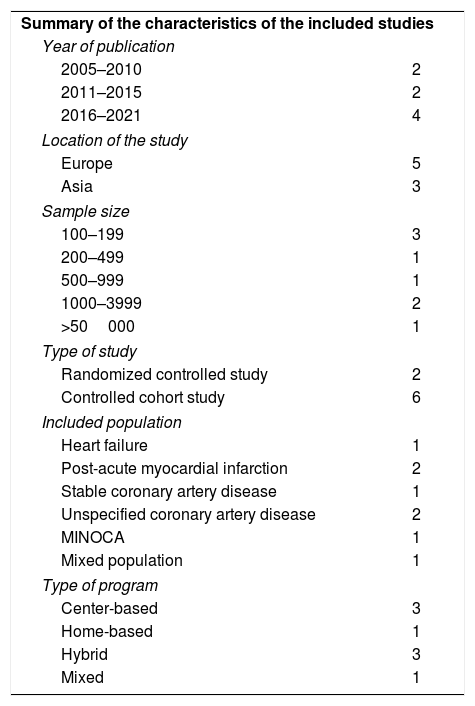
The characteristics of the included studies are presented in Table 1. The eight eligible studies were published between 2008 and 2021 and collectively encompassed a total of 60939 patients (minimum of 11127 patients and maximum of 5416320). Among the included studies, two were RCTs,25,26 and six were controlled cohort studies.20,27
General characteristics of the included studies.
| Summary of the characteristics of the included studies | |
| Year of publication | |
| 2005–2010 | 2 |
| 2011–2015 | 2 |
| 2016–2021 | 4 |
| Location of the study | |
| Europe | 5 |
| Asia | 3 |
| Sample size | |
| 100–199 | 3 |
| 200–499 | 1 |
| 500–999 | 1 |
| 1000–3999 | 2 |
| >50000 | 1 |
| Type of study | |
| Randomized controlled study | 2 |
| Controlled cohort study | 6 |
| Included population | |
| Heart failure | 1 |
| Post-acute myocardial infarction | 2 |
| Stable coronary artery disease | 1 |
| Unspecified coronary artery disease | 2 |
| MINOCA | 1 |
| Mixed population | 1 |
| Type of program | |
| Center-based | 3 |
| Home-based | 1 |
| Hybrid | 3 |
| Mixed | 1 |
MINOCA: myocardial infarction with non-obstructive coronary arteries.
The majority of studies included patients with CAD (five out of eight – 62.5% of the studies; 98.1% of the total patients).20,23,24,26,27 Among the remaining studies, one included only HF patients,25 one included patients with acute myocardial infarction and non-obstructive coronary arteries (MINOCA),22 and another study included a mixed population.21
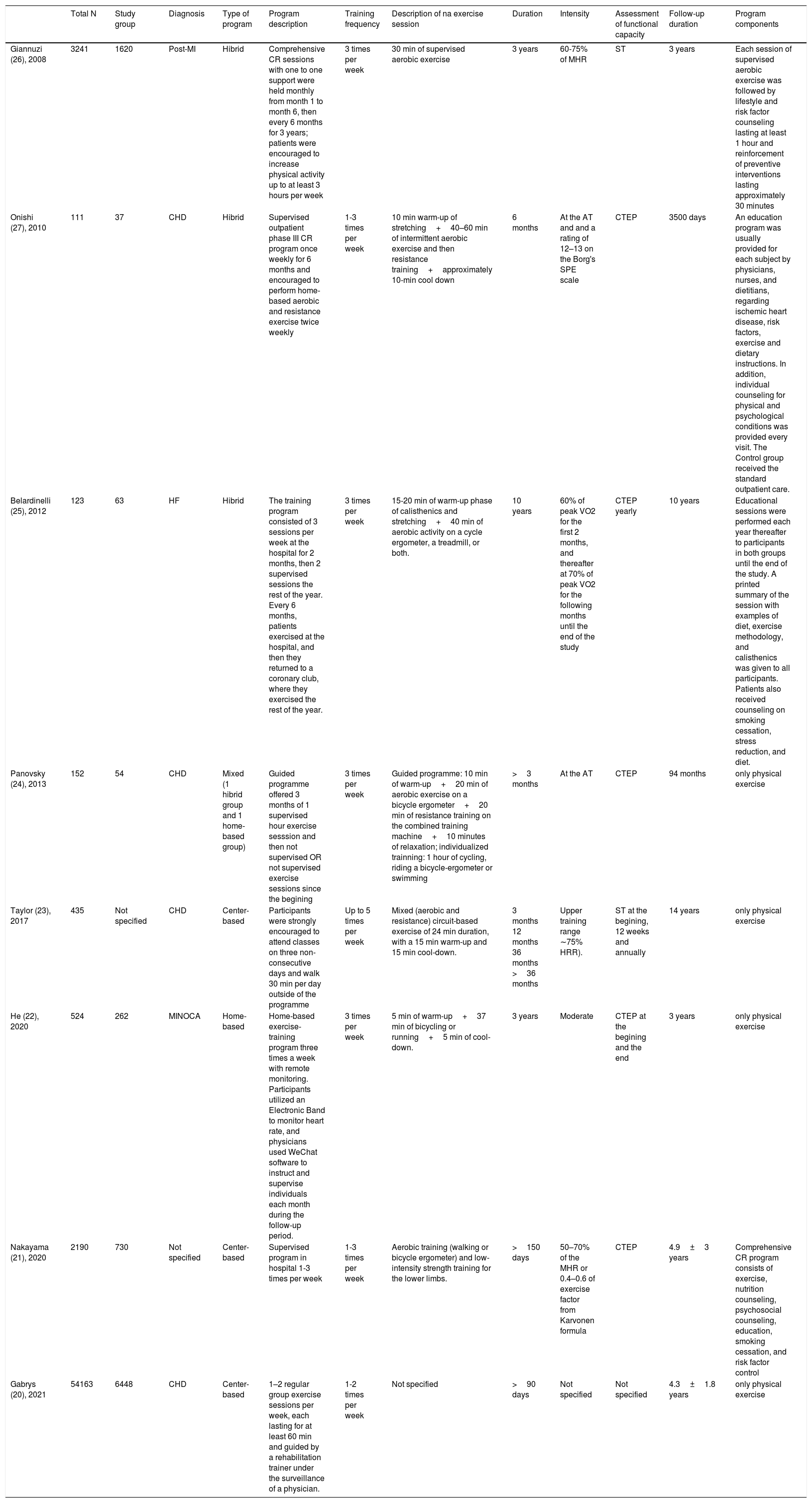
Regarding the type of CR program, three out of the eight studies were center-based programs,14,20,21 three had hybrid programs,25–27 one was exclusively home-based,22 and one was considered mixed.24 In this last study, which included a hybrid program, patients were assigned to one group (initially center-based and later transitioning to home-based), while another group received a home-based program from the outset. The specific type of program is detailed in Table 2.
Description of phase 3 cardiac rehabilitation exercise programs.
| Total N | Study group | Diagnosis | Type of program | Program description | Training frequency | Description of na exercise session | Duration | Intensity | Assessment of functional capacity | Follow-up duration | Program components | |
|---|---|---|---|---|---|---|---|---|---|---|---|---|
| Giannuzi (26), 2008 | 3241 | 1620 | Post-MI | Hibrid | Comprehensive CR sessions with one to one support were held monthly from month 1 to month 6, then every 6 months for 3 years; patients were encouraged to increase physical activity up to at least 3 hours per week | 3 times per week | 30 min of supervised aerobic exercise | 3 years | 60-75% of MHR | ST | 3 years | Each session of supervised aerobic exercise was followed by lifestyle and risk factor counseling lasting at least 1 hour and reinforcement of preventive interventions lasting approximately 30 minutes |
| Onishi (27), 2010 | 111 | 37 | CHD | Hibrid | Supervised outpatient phase III CR program once weekly for 6 months and encouraged to perform home-based aerobic and resistance exercise twice weekly | 1-3 times per week | 10 min warm-up of stretching+40–60 min of intermittent aerobic exercise and then resistance training+approximately 10-min cool down | 6 months | At the AT and and a rating of 12–13 on the Borg's SPE scale | CTEP | 3500 days | An education program was usually provided for each subject by physicians, nurses, and dietitians, regarding ischemic heart disease, risk factors, exercise and dietary instructions. In addition, individual counseling for physical and psychological conditions was provided every visit. The Control group received the standard outpatient care. |
| Belardinelli (25), 2012 | 123 | 63 | HF | Hibrid | The training program consisted of 3 sessions per week at the hospital for 2 months, then 2 supervised sessions the rest of the year. Every 6 months, patients exercised at the hospital, and then they returned to a coronary club, where they exercised the rest of the year. | 3 times per week | 15-20 min of warm-up phase of calisthenics and stretching+40 min of aerobic activity on a cycle ergometer, a treadmill, or both. | 10 years | 60% of peak VO2 for the first 2 months, and thereafter at 70% of peak VO2 for the following months until the end of the study | CTEP yearly | 10 years | Educational sessions were performed each year thereafter to participants in both groups until the end of the study. A printed summary of the session with examples of diet, exercise methodology, and calisthenics was given to all participants. Patients also received counseling on smoking cessation, stress reduction, and diet. |
| Panovsky (24), 2013 | 152 | 54 | CHD | Mixed (1 hibrid group and 1 home-based group) | Guided programme offered 3 months of 1 supervised hour exercise sesssion and then not supervised OR not supervised exercise sessions since the begining | 3 times per week | Guided programme: 10 min of warm-up+20 min of aerobic exercise on a bicycle ergometer+20 min of resistance training on the combined training machine+10 minutes of relaxation; individualized trainning: 1 hour of cycling, riding a bicycle-ergometer or swimming | >3 months | At the AT | CTEP | 94 months | only physical exercise |
| Taylor (23), 2017 | 435 | Not specified | CHD | Center-based | Participants were strongly encouraged to attend classes on three non-consecutive days and walk 30 min per day outside of the programme | Up to 5 times per week | Mixed (aerobic and resistance) circuit-based exercise of 24 min duration, with a 15 min warm-up and 15 min cool-down. | 3 months 12 months 36 months >36 months | Upper training range ∼75% HRR). | ST at the begining, 12 weeks and annually | 14 years | only physical exercise |
| He (22), 2020 | 524 | 262 | MINOCA | Home-based | Home-based exercise-training program three times a week with remote monitoring. Participants utilized an Electronic Band to monitor heart rate, and physicians used WeChat software to instruct and supervise individuals each month during the follow-up period. | 3 times per week | 5 min of warm-up+37 min of bicycling or running+5 min of cool-down. | 3 years | Moderate | CTEP at the begining and the end | 3 years | only physical exercise |
| Nakayama (21), 2020 | 2190 | 730 | Not specified | Center-based | Supervised program in hospital 1-3 times per week | 1-3 times per week | Aerobic training (walking or bicycle ergometer) and low-intensity strength training for the lower limbs. | >150 days | 50–70% of the MHR or 0.4–0.6 of exercise factor from Karvonen formula | CTEP | 4.9±3 years | Comprehensive CR program consists of exercise, nutrition counseling, psychosocial counseling, education, smoking cessation, and risk factor control |
| Gabrys (20), 2021 | 54163 | 6448 | CHD | Center-based | 1–2 regular group exercise sessions per week, each lasting for at least 60 min and guided by a rehabilitation trainer under the surveillance of a physician. | 1-2 times per week | Not specified | >90 days | Not specified | Not specified | 4.3±1.8 years | only physical exercise |
AT - anaerobic threshold; CHD - Coronary Heart Disease; CR - Cardiac Rehabilitation; CTEP - Cardiopulmonary exercise testing; HF - Heart Failure; HRR - heart rate recovery; MHR - Maximum Heart Rate; MI - Myocardial Infarction; Min - minutes; MINOCA - Myocardial infarction with nonobstructive coronary arteries; Ref - reference; SPE - standard perceived exertion; ST - conventional stress test
This meta-analysis included 60939 patients who underwent phase 3 of CR (82% male, average age of 62±11 years). The presence of comorbidities was reported in most studies. Among cardiovascular risk factors, dyslipidemia was the most prevalent (58%), followed by hypertension (44%), diabetes (21%), and smoking (11%).
Characteristics of physical exercise programsThe description of phase 3 CR exercise programs, including type, program and exercise session duration, intensity, and components, is presented in Table 2. Program duration ranged from six months to 10 years. Exercise sessions varied from 30 to 60–80 minutes, and frequency ranged from one to five times per week, with most studies including sessions three times per week. Half of the studies included both aerobic and strength training,21,23,24,27 while three included only aerobic training22,25,26 and one did not provide a detailed description of the exercise program.20
In half of the studies, the CR program included additional components beyond physical exercise training, such as nutritional counseling, smoking cessation, educational sessions, stress management, and psychological counseling. In four studies, the program included only the physical exercise training component.20,22–24
In most studies (five out of eight), cardiopulmonary exercise testing (CPET) was used for patient assessment before the CR program,21,22,24,25,27 determining functional capacity and training intensity prescription. In two studies, conventional exercise testing was used,23,26 with intensity determined by the percentage of maximum heart rate. Only two studies mentioned annual assessment of exercise testing.23,25 All studies involved moderate-intensity continuous exercise in their programs.
Meta-analysisPhase 3 of a CR program was associated with significantly lower mortality, with an HR of 0.56 (95% CI 0.49–0.65), and no substantial evidence of statistical heterogeneity (I2=5.3%), as presented in Figure 2. Despite the work by Nakayama et al.21 and Gabrys et al.,20 which were the studies that contributed the most to the final result, sensitivity analysis by individually removing studies demonstrated that the outcome in terms of direction, significance, and magnitude remains consistent, regardless of the study removed. In an analysis excluding each study individually, the statistical significance persisted, and the magnitude of the effect also remained consistent.

In a cumulative evaluation based on the temporal publication of data, a statistically significant impact of phase 3 of RC on mortality has been observed since 2012. This is reflected in the cumulative results of the studies by Giannuzzi et al. (2008),26 Onishi et al. (2010),27 and Belardinelli et al. (2010).25
In a subgroup analysis based on the included population (comprised of five studies with CAD patients, one with just HF patients, one including also MINOCA and another one with an unspecified etiology), no statistically significant differences were observed between the groups (p=0.59).
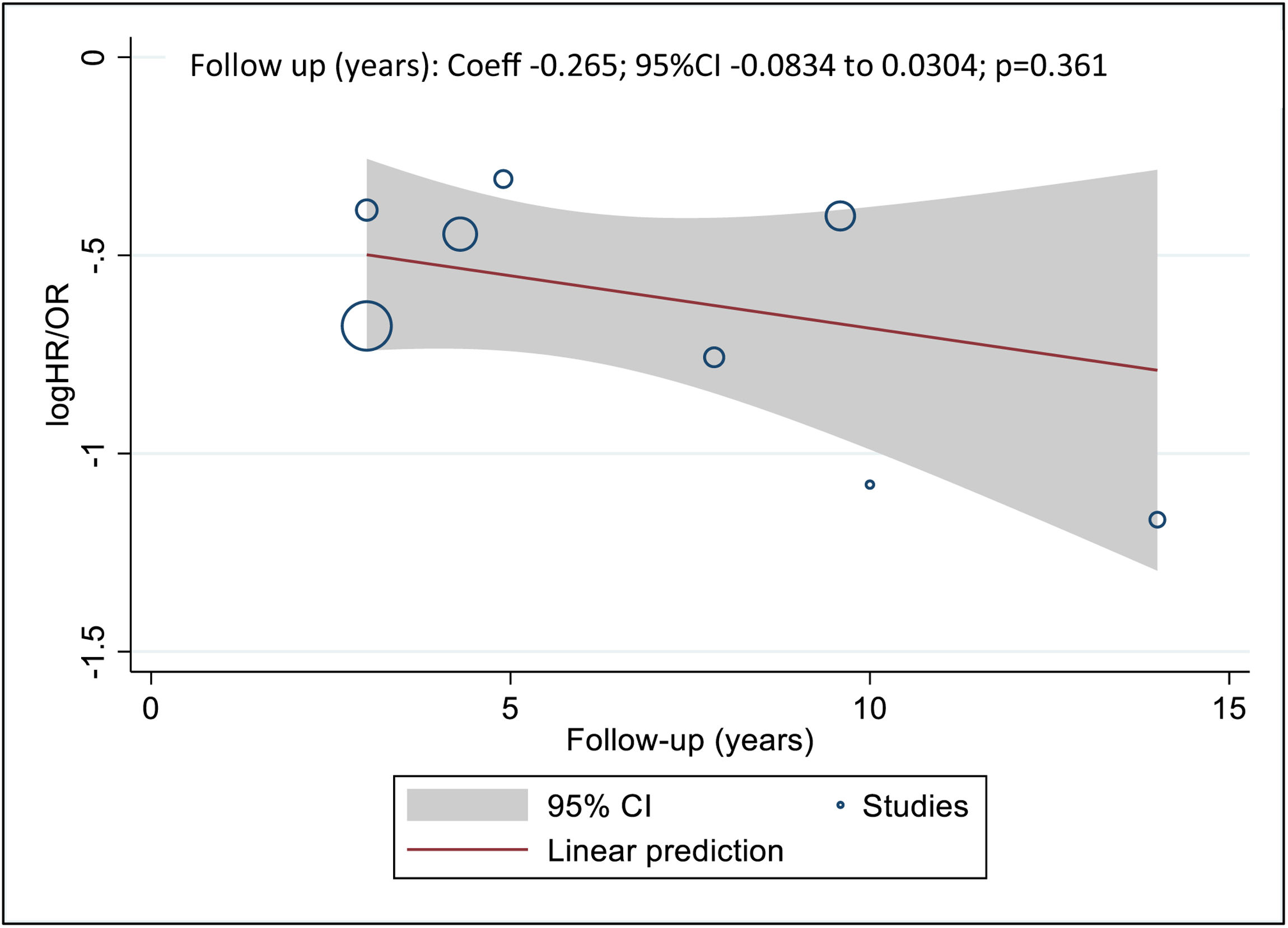
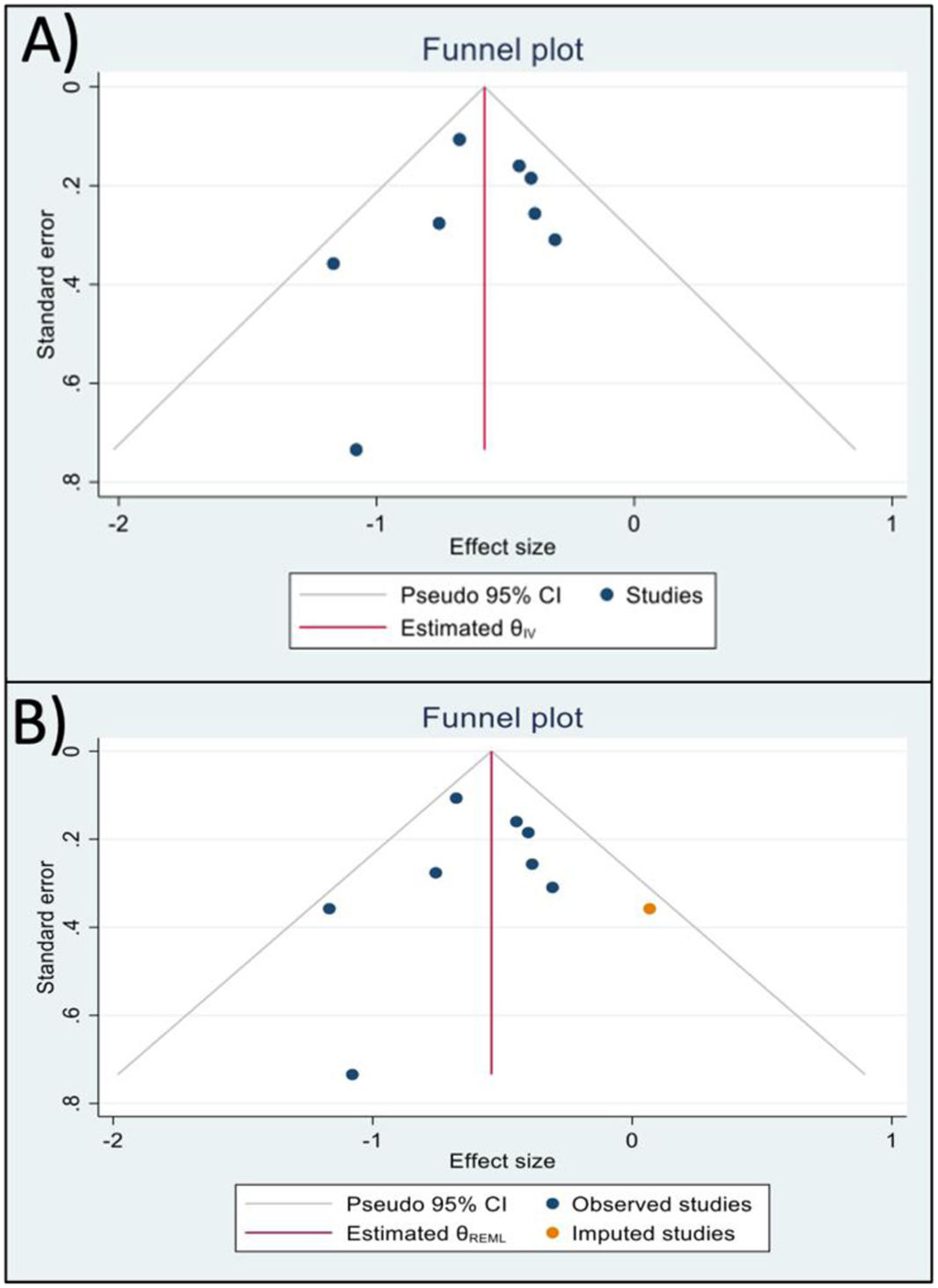
The meta-regression based on the follow-up time showed a trend towards greater benefit from CR programs over time, although without meeting statistical significance (Figure 3). Regarding biases in the meta-analysis, Egger's test showed a significant absence of publication bias/small study effects, with a p-value of 0.57. However, upon evaluating the funnel plot that assesses the dispersion of studies, a slight asymmetry is noted due to a greater magnitude of effect in studies with smaller standard errors (Figure 4A). In this context, a “trim-and-fill” analysis was conducted with the imputation of a study to the right on the funnel plot (Figure 4B). This imputation showed a HR=0.58 (CI=0.497–0.680), and no difference was observed between the data from this assessment and the results of the primary evaluation.


The bias risk assessments for each non-randomized study were evaluated according to the NOS. The majority of studies have good quality (4 out of 6 studies),21–23,27 with only 2 of reasonable quality (NOS=5 and 6).20,24
Regarding the bias risk of the two included randomized studies,25,26 both studies are classified as “some concern” in domain 2 of Rob 2, which relates to bias due to deviations from the intended intervention, as neither study is blinded, and patients and professionals are aware of each patient's study arm. In an analysis by study design type, randomized and non-randomized, there were no statistically significant differences between the groups (p=0.23).
DiscussionThis meta-analysis included over 60000 patients and demonstrates, for the first time, the benefit of phase 3 in reducing all-cause mortality. The positive impact of phase 2 CR is already well established in various prospective studies and meta-analyses, particularly in terms of quality of life, symptomatic improvement, reduction in re-hospitalizations, and mortality.1,2,4,5 However, the prognostic impact of phase 3 CR had not been established until now. This is the first meta-analysis designed to specifically assess the benefit of attending a phase 3 CR program on mortality.
Incorporating the meta-analysis data, phase 3 CR program was associated with a significant reduction in all-cause mortality, with a risk reduction of 44%. The statistical analysis demonstrated consistent results, with minimal evidence of heterogeneity among the included studies. Remarkably, the impact on mortality remained robust even after sensitivity analysis, which involved the individual removal of studies. This suggests the stability of the observed effect regardless of the inclusion or exclusion of specific studies.
This work highlights the scarcity of randomized and/or large-scale studies aimed at evaluating the prognostic impact of phase 3, as it only included eight studies, and of these, only two were prospective randomized studies. The bias risk analysis carried out through NOS showed that the included cohort studies were mostly of good quality. However, it is important to note that one of the studies with the largest sample size, although of moderate quality, had a substantial influence on the overall results, underscoring the need for cautious interpretation of the findings considering potential methodological limitations.
Consistent with the literature, a significant proportion of patients included in this meta-analysis had CAD (98.1%). Additionally, there was representation of studies focused on specific populations with HF, MINOCA, and mixed populations. This diversity in patient profiles emphasizes the relevance of phase 3 CR across a wide spectrum of cardiovascular conditions.
Also, in line with the majority of CR studies, our meta-analysis demonstrates a much higher prevalence of male patients compared to female patients (82% vs. 18%). Despite the similar benefit of CR between sexes, even for phase 2, the participation of women is generally significantly lower.28,29 Studies show that women are 12% less likely to be referred for CR, 9% less likely to initiate a program, and 13% less likely to complete it.30,31 These findings highlight the urgent need to develop targeted strategies to increase female participation in CR programs. Several barriers may contribute to this underrepresentation, including social, cultural, caregiving responsibilities, financial issues, and perceived risks. Therefore, exploring approaches that can overcome these obstacles is essential. Promising strategies include the implementation of women-only programs or tailored interventions that address their specific needs, as well as awareness campaigns directed at women and healthcare providers. Other actions might involve flexible scheduling, offering psychological support, support groups, and interventions that address social and cultural factors. Further research into the unique needs and preferences of women can guide the design of more inclusive and accessible CR services.
The prevalence of cardiovascular risk factors, such as dyslipidemia, hypertension, diabetes, and smoking, was substantial, emphasizing the relevance of CR in controlling these risk factors. Compared with the EURORASPIRE IV study,32 which included patients exclusively with CAD, the average prevalence of risk factors in our study was lower (hypertension: 44% vs. 78%; dyslipidemia: 68% vs. 74%; smoking: 11% vs. 26%). This fact may be justified by the greater variety of populations included in our study and the scarcity of data from some of the studies.
In contrast to the vast majority of literature regarding phase 2, which shows that center-based programs are most common, in this meta-analysis, most programs are exclusively or partially home-based. A meta-analysis published in 2018 showed that 57.5% of programs were center-based,33 and the UK National Audit of Cardiac Rehabilitation (UK NACR) reported that 75.4% of patients received this type of CR, with only 8.8% being home-based.34 This variation might reflect the evolving landscape of CR and the need to adapt programs to individual patient needs, especially for longer programs as anticipated in phase 3.
Regarding types of CR programs, there is a wide variety in terms of program duration and components. Program duration varied widely, ranging from six months to a decade, and this discrepancy may affect estimates of the mortality impact, particularly with longer follow-up. Despite the absence of guidelines regarding ideal components for phase 3, the majority of studies in our meta-analysis offered a multidimensional program. While the specific form or frequency of these components was not extensively detailed, half of the authors mentioned that programs also included nutritional counseling, smoking cessation, educational sessions, stress management, and psychological counseling, highlighting the holistic nature of a phase 3 CR.
European recommendations suggest that a CR exercise session should include aerobic training and dynamic muscular strength training, which should be individually prescribed.35 Among the five studies that provided sufficient information, 60% (3/5) included strength training in addition to aerobic training. The discrepancy in rehabilitation programs among different studies makes it difficult to reliably assess the best type of training and underscores the need for further research to establish guidelines or standards, similar to those in existence for phase 2.
All the programs of the analyzed studies were moderate continuous intensity programs. Although high-intensity interval training (HIIT) has been studied in phase 2 of CR, there are currently no studies specifically designed to evaluate its safety/impact in maintenance programs. Exercise stress testing was used in all studies to prescribe training intensity, with the exception of one that did not mention it. Most studies are in line with the European recommendations and use CPET to determine peak VO2 and ventilatory thresholds to guide training intensity prescription.36 Only a minority (two out of eight studies) used conventional stress testing, which is another way to assess patients’ functional capacity and a useful test to prescribe exercise according to the European Guidelines.36 Regarding the repetition of this test in follow-up, only two studies mentioned repeating it annually to adjust training intensity parameters.
This meta-analysis highlights the importance of attending a phase 3 CR program, especially of continuing a phase 2 program to improve patient outcomes and justify further research to optimize CR program implementation. Probably tele-rehabilitation and hybrid programs with more personalized prevention, adapted to patients’ needs and preferences will increase the implementation of long-term CR programs with its positive impact on patients’ lives.
LimitationsAlthough our study aimed to provide innovative information on the impact of phase 3 CR program on mortality and program characteristics, it is important to acknowledge some limitations that may affect the interpretation of our results.
Program heterogeneityThe included studies exhibited, as observed in clinical practice, a wide variety in terms of program types, exercise protocols, duration, and components beyond physical exercise training. This diversity makes it challenging to draw standardized conclusions about specific characteristics contributing to mortality reduction.
Study designs and sample sizesThe studies included in our analysis had diverse designs, ranging from randomized trials to retrospective cohorts. This diversity introduces possible biases and heterogeneity that can impact the generalizability of our results, although non-randomized studies were mostly classified as good quality. Additionally, sample sizes varied significantly among the studies, affecting the statistical power of our analysis.
Population heterogeneityThe studies included in this review encompassed patients with various cardiovascular diseases; however, the vast majority of participants had CAD, and the population was predominantly male. Notably the study by Gabrys et al. included 88.9% of the total patients, representing most of the working population (under 66 years old). Furthermore, this study did not provide a description of the exercise program and was classified as of reasonable quality based on the bias risk assessment. While there was some heterogeneity in patient characteristics, this high prevalence of CAD, male participants, and the characteristics of specific studies limit the generalizability of the findings to broader populations.
Limited availability of studiesThe relatively small number of studies may impact the robustness of our conclusions; however, the size of the included population is very significant.
Limited long-term follow-upThe follow-up duration in some studies may not have been sufficiently long to identify the long-term effects of phase 3 CR on mortality. A longer follow-up period could provide a more comprehensive understanding of the sustained impact of the maintenance phase.
Potential confounding factorsIt is important to acknowledge that observational studies can still have potential confounding risk factors that may have influenced our results.
ConclusionThis systematic review demonstrates the significant benefit of long-term phase 3 cardiac rehabilitation (CR) programs in reducing all-cause mortality among cardiovascular patients, particularly those with coronary artery disease (CAD), which was the primary focus of the included studies.
This highlights the importance of the existence of specialized Phase 3 CR centers.
Our comprehensive analysis also highlights the heterogeneity of phase 3 CR programs, which vary in structure, duration, and components. This variability underscores the need for further research to optimize exercise protocols, standardize CR components, and develop guidelines, with particular emphasis on strategies to increase referral and participation among women.
FundingThis research received no specific grant from any funding agency in the public, commercial, or not-for-profit sectors.
Conflicts of interestNone declared.